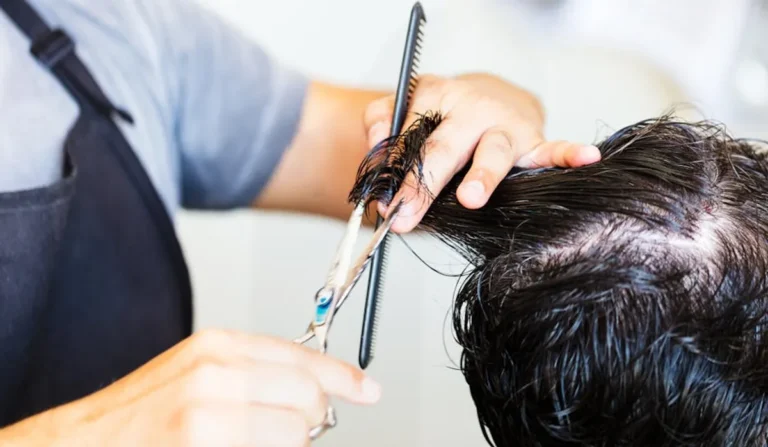

The skin fade haircut, a cornerstone of modern men’s grooming, offers a sharp, clean aesthetic that transitions seamlessly from skin to desired hair length. Its popularity stems from versatility and the ability to create distinct contrasts, yet choosing the right skin fade and pairing it with a suitable top style requires specific consideration. This guide details the primary types of skin fades, outlines compatible styling options, and provides practical advice for maintenance, ensuring the cut complements your personal style and hair type effectively.
Understanding the Core of a Skin Fade
At its essence, a skin fade involves hair on the sides and back of the head gradually tapering down to expose the skin. This transition is achieved using clippers with various guards, culminating in a zero or foil shaver setting at the lowest point. The key differentiator from a traditional taper is the complete exposure of skin, creating a more dramatic and defined gradient.
The impact of a skin fade is determined by three factors: the starting point of the fade line (how high or low it begins), the speed of the blend (how quickly the hair length changes), and the length and style of the hair on top. Each element contributes to the overall aesthetic, from subtle refinement to bold, edgy declarations.
Types of Skin Fades and Their Characteristics
Low Skin Fade
A low skin fade begins its shortest point just above the ear, typically extending no higher than the top of the earlobe. The transition from skin to longer hair is gradual and contained within the lower portion of the head.
Characteristics: Subtle, understated, professional. It offers less contrast than higher fades, making it suitable for more conservative environments.
Best for: Individuals seeking a clean look without extreme contrast, first-time fade wearers, and those who prefer a classic, refined aesthetic. It pairs well with business-appropriate styles like a side part or classic quiff.
Mid Skin Fade
The mid skin fade positions its shortest point between the temples and the ears, creating a balanced and widely adaptable look. This fade offers a noticeable contrast while maintaining a degree of softness compared to a high fade.
Characteristics: Versatile, balanced, popular. The mid-point allows for significant styling flexibility on top without appearing overly aggressive.
Best for: Most face shapes and hair types. It’s a strong choice for modern styles such as textured crops, messy quiffs, or slightly longer, flowy tops. Its adaptability makes it a go-to for many barbers and clients.
High Skin Fade
A high skin fade starts its shortest point high on the head, often above the temple and sometimes extending towards the crown. This creates the most dramatic contrast between the short sides and the longer hair on top.
Characteristics: Bold, sharp, high-contrast, edgy. This fade emphasizes the hair on top, making it a focal point.
Best for: Individuals wanting a striking, modern look. It pairs exceptionally well with styles that have significant volume or texture on top, such as a pompadour, faux hawk, or a highly textured crop, where the contrast enhances the overall shape.
Drop Fade
The drop fade is a variation where the fade line curves downward behind the ear, following the natural contour of the head. This technique creates a unique visual effect, often complementing the hairline at the nape.
Characteristics: Contouring, distinctive, modern. It provides a softer, more natural transition around the back of the head while maintaining the sharpness of a skin fade.
Best for: Those looking for a subtle twist on traditional fades, or individuals with specific head shapes that benefit from the contoured line. It works well with styles that require a clean finish around the neckline, such as a slick back or longer, natural top.
Style Ideas to Pair with a Skin Fade
The beauty of a skin fade lies in its ability to complement a wide array of top styles, elevating each with a clean, sharp foundation. The choice of top style dictates the overall character of your haircut.
- Textured Crop: Short, choppy layers on top with a blunt fringe. This modern style emphasizes texture and requires minimal daily styling, often enhanced by a mid or high skin fade for a sharp, contemporary edge.
- Quiff: Hair swept upwards and back from the forehead, creating volume. A classic choice, the quiff gains definition and a cleaner profile when paired with a low or mid skin fade, suitable for both formal and casual settings.
- Pompadour: A more exaggerated, voluminous version of the quiff, often slicked back with significant height. Best combined with a high skin fade to maximize the contrast and highlight the dramatic volume on top.
- Slick Back: Hair combed straight back from the forehead, often with a glossy finish. Requires sufficient length on top and benefits from a low or mid skin fade for a polished, sophisticated appearance.
- Side Part: A traditional, clean cut where hair is parted to one side. The skin fade adds a modern sharpness to this timeless style, making the part line more prominent and refined.
- Faux Hawk: A less aggressive version of a mohawk, where the center strip of hair is styled upwards but the sides are faded rather than shaved completely. A high skin fade provides the necessary contrast to make the faux hawk stand out.
- Curly Top: For those with natural curls, a skin fade on the sides and back allows the curls on top to be the focal point, creating a clean, controlled look that celebrates natural texture. A mid or low fade is often preferred to soften the transition.
Maintenance and Upkeep for a Sharp Fade
Maintaining the crisp lines and smooth gradient of a skin fade requires consistent attention. The rapid growth of hair means the fade line will quickly become less defined if not regularly trimmed.
Frequency: To keep a skin fade looking sharp, aim for a trim every 1 to 3 weeks. The exact interval depends on your hair growth rate and how defined you prefer the fade line to remain. High fades typically require more frequent touch-ups due to their pronounced contrast.
Products: The products you use will largely depend on your chosen top style.
For volume and hold: Pomades (water-based for flexible hold, oil-based for strong hold and shine), waxes, and styling creams are essential.
For texture: Sea salt sprays or texture powders can enhance natural waves and provide matte finishes.
For finishing: A light-hold hairspray can secure your style without stiffness.
Pro Tip: Regular barber visits are critical for maintaining a skin fade. Attempting to maintain the intricate gradient yourself without professional tools and experience often leads to uneven lines and compromised blends. Communicate clearly with your barber about your desired fade level and top style to ensure consistent results.
Choosing the Right Skin Fade for You
Selecting the ideal skin fade involves considering several personal factors:
- Face Shape: Certain fades can enhance or soften facial features. For example, a high fade can elongate a round face, while a low fade might be more suitable for a longer face.
- Hair Type: Straight, wavy, curly, thick, or thin hair all respond differently to fading. A barber can advise on how your specific hair texture will blend and hold a fade.
- Lifestyle: Consider your daily routine and professional environment. A high skin fade might be too bold for some corporate settings, while a low fade offers broader acceptability.
- Desired Contrast: Decide if you prefer a dramatic, eye-catching contrast or a more subtle, blended transition.
A thorough consultation with an experienced barber is invaluable. They can assess your hair, head shape, and facial features to recommend the most flattering and practical skin fade and top style combination.
Practical Styling Tips for Your Fade
Once you have your skin fade, daily styling ensures the top complements the sharp sides:
- Start with Clean, Towel-Dried Hair: Product application is most effective on hair that is damp but not dripping wet.
- Apply Product Evenly: Distribute your chosen styling product (pomade, wax, cream) through your hair, starting from the roots to the ends. Use a smaller amount initially and add more if needed.
- Use a Blow Dryer for Volume and Shape: If your style requires volume (like a quiff or pompadour), use a blow dryer on a medium heat setting, directing the hair into your desired shape with a brush or comb.
- Refine with a Comb or Fingers: Use a fine-tooth comb for precision and sleekness (e.g., side part, slick back) or your fingers for a more textured, natural look (e.g., textured crop, messy quiff).
- Finish with Hold: If necessary, a light mist of hairspray can lock your style in place, especially for longer-lasting hold.
Maintaining Your Sharp Edge
The longevity and impact of a skin fade haircut depend significantly on proactive care. Regular trims are not just about neatness; they are about preserving the artistic gradient that defines the style. Investing in quality styling products tailored to your hair type and desired finish will enhance your look and make daily styling more effective. Furthermore, clear and consistent communication with your barber ensures that each visit refreshes your fade precisely to your preference, keeping your appearance consistently sharp and well-groomed.
Frequently Asked Questions
How often should I get a skin fade trimmed?
To maintain its sharp appearance, a skin fade typically requires a trim every 1 to 3 weeks, depending on your hair growth rate and how defined you prefer the fade line to remain.
Does a skin fade work with all hair types?
Yes, skin fades are adaptable to most hair types, including straight, wavy, and curly hair. The specific fade level and top style will be adjusted by your barber to best suit your hair's natural texture and density.
What is the main difference between a skin fade and a taper?
A skin fade tapers the hair down to skin level, exposing the scalp at its shortest point, creating a high-contrast gradient. A taper typically leaves some hair at its shortest point, creating a less dramatic, often softer, transition without fully exposing the skin.
Can I style a skin fade myself at home?
While you can style the top portion of your hair at home, maintaining the precise fade on the sides and back requires professional tools and skill. Regular visits to a barber are essential to keep the fade sharp and even.