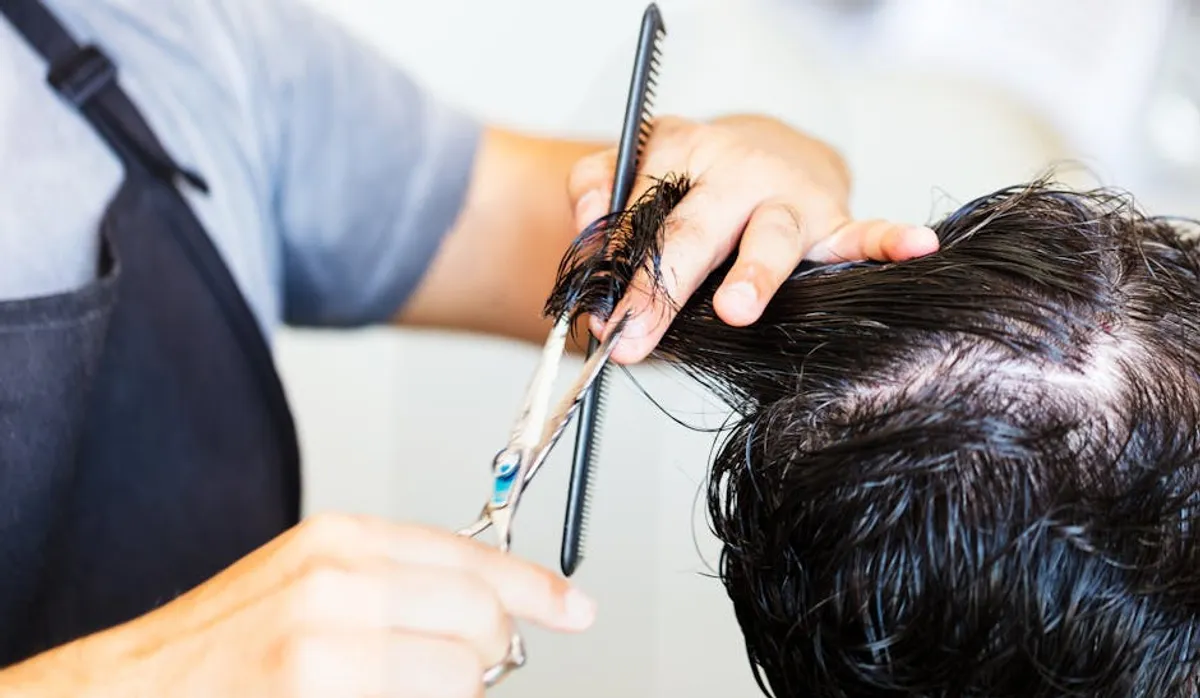
Men with thick hair often face a unique set of challenges and opportunities when selecting a haircut. The density and volume can be a blessing, allowing for styles with significant presence and structure, but it can also be a curse, leading to unmanageable bulk, frizz, or a perpetually overgrown appearance. The right haircut not only tames unruly strands but also enhances natural texture, complements facial features, and aligns with a desired aesthetic, from sharp professional to relaxed casual. This guide details specific haircut options, outlining their suitability, advantages, and potential drawbacks, to help navigate the decision-making process for thick hair.
What to Consider When Choosing a Haircut for Thick Hair
Selecting an optimal haircut for thick hair involves more than just picking a photo from a magazine. Understanding your hair's specific characteristics and your lifestyle demands is crucial for a successful outcome. Consider these factors:
- Hair Texture: Thick hair can be straight, wavy, curly, or coily. Each texture responds differently to various cuts. Straight thick hair might benefit from layers to prevent a helmet-like appearance, while wavy or curly thick hair often thrives with cuts that encourage natural movement and reduce bulk without sacrificing definition.
- Growth Pattern: Pay attention to cowlicks or areas where hair grows in a specific direction. Certain cuts can work with these patterns, while others might fight against them, leading to constant styling struggles.
- Maintenance Commitment: Some styles for thick hair require daily styling with specific products, blow-drying, or even heat tools to maintain their shape. Others are designed for minimal effort. Be realistic about the time and effort you are willing to invest each day.
- Face Shape: A haircut should balance and enhance your facial features. For instance, a style with more volume on top can lengthen a round face, while softer, layered looks can complement a square jawline.
- Desired Aesthetic: Your haircut communicates a part of your personal brand. Do you need a sharp, corporate look, a creative and edgy style, or something more relaxed and natural? Ensure the cut aligns with your professional and social environments.
1. Textured Crop
The textured crop is a contemporary haircut characterized by short sides and back, often with a fade or undercut, and a slightly longer top that is cut with layers to create significant texture. For thick hair, this style is particularly effective because the layering removes internal bulk, allowing the hair to sit lighter and appear more dynamic. The fringe is typically kept short and choppy, worn forward, which helps to manage the front hairline and reduce the visual weight of dense hair. This cut provides a clean, modern aesthetic that is both stylish and relatively low-maintenance.
Best for: Men seeking a modern, low-maintenance style that effectively reduces the bulk of thick hair while maintaining a youthful, edgy appearance. It's particularly good for those with naturally wavy or slightly unruly thick hair, as the texture is embraced.
Pros: Reduces significant bulk, easy to style with minimal product, versatile for various professional and casual settings, and the short fringe can camouflage a receding hairline. The textured top gives movement and interest.
Cons: Requires regular trims (every 3-4 weeks) to maintain its sharp shape and prevent the top from becoming too heavy. Not ideal for very long face shapes, as the short fringe might emphasize length.
Verdict: An excellent choice for thick hair, offering a stylish solution to volume management. Its inherent texture and low-fuss styling make it a practical and fashionable option for many.
2. Disconnected Undercut
The disconnected undercut features a stark contrast between very short (often buzzed or faded) sides and back, and a significantly longer top section. The "disconnected" aspect means there's no gradual fade between the two lengths; instead, a sharp line defines where the short hair meets the long hair. For thick hair, this cut is transformative. The removal of hair from the sides and back drastically reduces overall volume, making the top section, which retains its length and thickness, much more manageable and easier to style into a quiff, pompadour, or slick back. The pronounced contrast creates a bold, fashion-forward statement.
Best for: Men with very thick hair who want to dramatically reduce side bulk and create a striking, high-contrast look. Ideal for those who enjoy styling the longer top section for maximum impact.
Pros: Maximally reduces side and back volume, making the thick top hair easier to manage and style. Offers a very clean and defined aesthetic. Highly customizable in terms of top length and style.
Cons: Requires frequent trims to maintain the sharp disconnected line and side length. The contrast can be too bold for some conservative environments. Styling the top can still demand time and product.
Verdict: A powerful choice for taming extreme thickness, providing a strong visual statement and excellent control over volume. It's a commitment to a distinct style that pays off in manageability.
3. Classic Quiff
The classic quiff capitalizes on the natural volume of thick hair to create a prominent, swept-up front section. It typically features shorter sides and back (often tapered or faded) that gradually blend into a longer top. The distinguishing characteristic is the voluminous hair at the front that is brushed up and back, creating a wave-like shape. Thick hair provides the necessary density and body to achieve the height and hold required for a classic quiff without appearing sparse or collapsing. While it requires styling, the inherent strength of thick hair makes it an ideal foundation.
Best for: Men with thick hair who appreciate a sophisticated, timeless look and are willing to invest time in daily styling to achieve the signature volume and shape. Works well for various face shapes, offering vertical lift.
Pros: Leverages natural hair thickness for impressive volume and height. Projects a polished and confident image. Highly adaptable by varying the height and sleekness of the front section.
Cons: Requires daily styling with a blow dryer and strong-hold product to maintain its shape. The longer top can become heavy if not cut with appropriate layering for thick hair, leading to less lift.
Verdict: A superb style for thick hair, allowing its natural attributes to shine. It demands styling effort but delivers a distinguished, high-impact aesthetic that is both classic and contemporary.
4. Modern Pompadour
The modern pompadour is a variation of the classic, often featuring shorter sides (faded or undercut) and a significantly longer top section that sweeps up and back from the forehead, creating a voluminous crest. Unlike the quiff, which often has a softer, more natural wave, the pompadour is characterized by a more structured, often slicked-back, and highly polished front. Thick hair is essential for achieving the dramatic height and density necessary for a compelling pompadour. Without sufficient thickness, the style can fall flat, lacking its iconic presence.
Best for: Men with abundant thick hair who desire a bold, retro-inspired yet modern haircut that makes a statement. Suitable for those who enjoy meticulous daily styling and product application.
Pros: Maximizes the visual impact of thick hair, creating impressive volume and a commanding silhouette. Offers a sophisticated and stylish appearance. The shorter sides help manage overall bulk.
Cons: Demands considerable daily styling time, involving blow-drying, brushing, and liberal use of strong-hold pomades or waxes. Requires regular trims to keep the sides neat and the top manageable.
Verdict: A powerful choice for thick hair, transforming it into a sculpted masterpiece. It's a high-commitment style that, when executed well, delivers unparalleled elegance and presence.
5. Slick Back (with Taper/Fade)
The slick back, when adapted for thick hair, typically involves a taper or fade on the sides and back to reduce bulk, while the top is left long enough to be combed straight back. The success of a slick back on thick hair lies in controlling its natural volume and texture. Strategic layering on the top can help the hair lie flatter and prevent it from appearing too puffy. Using appropriate products (pomades, gels) with strong hold and a degree of weight is crucial to keep thick hair in place throughout the day, providing a sleek, polished finish.
Best for: Men with thick, straight to slightly wavy hair who prefer a neat, professional, and sophisticated look. Ideal for those who want to control volume and achieve a smooth, refined aesthetic.
Pros: Creates a very clean, professional, and sophisticated appearance. Effectively controls the volume and direction of thick hair. The shorter sides reduce overall bulk, making the top easier to manage.
Cons: Requires daily styling with a strong-hold product to maintain its sleekness, which can sometimes look greasy if too much product is used. Can highlight a receding hairline if not styled carefully.
Verdict: A reliable option for thick hair, offering a refined and controlled look. It successfully tames volume into a sophisticated style, provided the right products and cutting techniques are employed.
6. Deep Side Part
The deep side part, particularly effective with thick hair, relies on the hair's natural density to create a strong, defined parting and a substantial amount of hair swept to one side. The sides are typically kept shorter with a taper or fade, blending into a longer top that is styled to fall over to one side. Thick hair provides the necessary weight and body to keep the side part distinct and the swept-over section full and elegant, without appearing thin or wispy. This style offers a classic, gentlemanly aesthetic that is versatile for both formal and casual settings.
Best for: Men with thick, straight or wavy hair who prefer a classic, structured, and sophisticated look. It suits those who want a defined style that leverages their hair's natural volume and density.
Pros: Creates a very sharp and distinguished appearance. Leverages the natural volume of thick hair for a full, elegant top section. Relatively easy to style once the part is established, requiring moderate product.
Cons: Can sometimes appear too stiff if over-styled with heavy products. Requires regular trims to maintain the clean lines of the side and back. May not suit very round face shapes as it can emphasize width.
Verdict: A timeless choice for thick hair, offering a polished and authoritative look. It's a testament to how thick hair can be expertly sculpted into a refined and enduring style.
7. Crew Cut (with Thick Top)
A crew cut typically features very short sides and back, gradually tapering to a slightly longer top. For thick hair, the "thick top" variation is key: the top section is left with enough length and density to show off the hair's natural thickness and texture, rather than being buzzed uniformly short. This allows for some styling flexibility on top, such as pushing it forward, to the side, or slightly up, while the short sides keep maintenance minimal and manage bulk. It's a pragmatic choice that balances neatness with a subtle display of hair quality.
Best for: Men with thick hair who desire a clean, professional, and low-maintenance haircut that still showcases their hair's density. Ideal for those who prefer a shorter style but want to avoid a completely uniform buzz cut.
Pros: Extremely low maintenance on the sides and back. Manages bulk effectively while leaving enough length on top for subtle styling. Projects a neat, masculine, and athletic image. Very versatile for most environments.
Cons: The top, if left too long without proper layering, can still feel heavy and less dynamic. Requires frequent trims to maintain the crisp lines and short length on the sides.
Verdict: An excellent practical option for thick hair, offering a smart, tidy appearance with minimal fuss. It's a reliable choice for maintaining a professional look while managing volume efficiently.
8. French Crop
The French crop is a variation of the textured crop, often characterized by even shorter sides and back (sometimes a skin fade) and a top section that is cut short and layered, with a blunt or choppy fringe that falls forward. For thick hair, the French crop is highly effective at reducing bulk and creating a clean, structured look. The short, forward-falling fringe helps to manage the front hairline and provides a distinct, modern aesthetic. The layering on top ensures the hair doesn't look too heavy, allowing for natural movement and texture.
Best for: Men with thick hair seeking a sharp, modern, and relatively low-maintenance style that effectively controls volume and provides a strong, defined silhouette. Particularly good for those who want a strong fringe.
Pros: Excellent for managing thick hair's bulk and density. Provides a clean, contemporary look with minimal styling effort. The forward fringe is great for concealing a receding hairline or a high forehead.
Cons: Requires frequent barber visits to maintain the short, sharp lines and fade. The blunt fringe might not suit all face shapes, particularly very round faces, as it can emphasize width.
Verdict: A highly effective and stylish haircut for thick hair, offering a modern edge with practical benefits in volume control. It's a go-to for a sharp, no-fuss appearance.
9. Bro Flow
The "bro flow" is a longer, more relaxed style that embraces the natural thickness and movement of men's hair, typically reaching past the ears or even to the shoulders. For thick hair, the key is strategic layering to remove weight and prevent the hair from becoming a solid, unmanageable mass. The layers should be cut to encourage natural waves or curls and allow the hair to flow back and away from the face effortlessly. This style champions a natural, effortless aesthetic, often requiring minimal product and heat styling, relying instead on the hair's inherent texture and body.
Best for: Men with thick, wavy or curly hair who prefer a longer, more natural, and relaxed aesthetic. Ideal for those willing to grow their hair out and embrace its inherent texture with minimal daily intervention.
Pros: Embraces natural thickness and texture, requiring less daily styling than structured short cuts. Projects a relaxed, confident, and often artistic image. The layering prevents it from becoming too heavy or triangular.
Cons: Can take time to grow out to the desired length. Requires specific layering to prevent excessive bulk and a "helmet" appearance. Can be perceived as less professional in very conservative environments.
Verdict: A strong choice for thick hair when length is desired, allowing natural volume and texture to create an effortlessly cool look. It's about working with, rather than against, the hair's natural tendencies.
10. Longer Layers / Shag
For men with thick hair who prefer significant length, a layered cut or modern shag is an excellent approach. Instead of uniform length, this style incorporates various lengths throughout the hair, particularly around the crown and sides, to reduce bulk and create movement. The layers are designed to lighten the overall weight of the hair, preventing it from looking heavy or flat at the roots. This cut works exceptionally well with thick, wavy, or curly hair, as the layers enhance natural texture and reduce frizz by allowing individual strands to fall more freely. The result is a dynamic, often tousled, and effortless appearance.
Best for: Men with long, thick, especially wavy or curly hair, who want to maintain length while managing volume and encouraging natural texture. Suits a more artistic or relaxed personal style.
Pros: Significantly reduces the weight and bulk of long, thick hair, making it more manageable. Enhances natural waves and curls, promoting movement and reducing frizz. Offers a relaxed, bohemian, or rock-and-roll aesthetic.
Cons: Still requires some styling (e.g., air-drying with product) to define layers and prevent puffiness. Can take time to grow out and find the right layering balance. May not be suitable for very formal professional settings without careful styling.
Verdict: A highly effective solution for long, thick hair, transforming potential bulk into dynamic texture and movement. It's a statement of natural confidence and effortless style.
11. High and Tight
The high and tight is a military-inspired haircut characterized by a very short, often shaved, back and sides that extend high up the head, leaving a relatively small, slightly longer section on top. For thick hair, this cut is one of the most aggressive and effective ways to manage extreme volume. The vast majority of the hair's bulk is removed from the sides and back, leaving only a concentrated patch on top that is easy to style or keep very short. The sharp lines and extreme contrast create a very clean, disciplined, and masculine aesthetic.
Best for: Men with very thick or unruly hair who prioritize extreme neatness, minimal maintenance, and a sharp, disciplined appearance. Ideal for those in professions requiring a very clean-cut look.
Pros: Maximally reduces all-over bulk, making thick hair incredibly easy to manage. Requires almost no daily styling. Projects a very clean, sharp, and masculine image. Excellent for hot climates.
Cons: The extreme shortness and high fade can be too severe or stark for some preferences or face shapes. Requires very frequent trims (every 2-3 weeks) to maintain its precision and short length.
Verdict: The ultimate haircut for thick hair when control and minimal fuss are paramount. It's a no-nonsense, high-impact style that delivers extreme neatness and manageability.
12. Buzz Cut (with Fade)
While a traditional buzz cut is uniformly short all over, a buzz cut with a fade offers a more refined approach for thick hair. The top is buzzed to a very short but discernible length (e.g., #2 or #3 guard), while the sides and back gradually taper down to skin. For thick hair, this variation prevents the "helmet" look that a uniform buzz cut can sometimes create due to the hair's density. The fade softens the edges and provides a cleaner transition, making the thick hair appear more intentional and less blocky. It's a choice for ultimate low maintenance and a clean aesthetic.
Best for: Men with very thick hair seeking the absolute lowest maintenance option while still desiring some stylistic nuance beyond a uniform buzz. Excellent for managing difficult textures or thinning on top.
Pros: Extremely low maintenance and requires virtually no daily styling. Effectively eliminates all bulk and unruliness of thick hair. The fade adds a modern touch and prevents a blocky appearance. Very cooling in warm weather.
Cons: Offers very limited styling versatility. Can expose scalp imperfections or head shape. Requires very frequent barber visits to maintain a crisp fade and prevent the hair from growing out unevenly.
Verdict: The most practical haircut for thick hair, providing unparalleled ease of care and a clean, minimalist aesthetic. The addition of a fade elevates it from merely functional to subtly stylish.
Choosing the Right Haircut for Your Thick Hair
The best haircut for your thick hair is ultimately a personal decision that balances aesthetics with practicality. Start by objectively assessing your hair's texture, density, and growth patterns. Consider your daily routine: how much time are you genuinely willing to dedicate to styling? A high-maintenance pompadour might look fantastic, but if you're not committed to daily blow-drying and product application, it will quickly lose its appeal.
Consult with a skilled barber or stylist who specializes in men's hair. Bring reference photos of styles you like, but also be open to their professional advice. A good stylist will be able to tell you if a particular cut will work with your specific hair type and face shape, and suggest modifications to suit you best. They can also advise on specific layering techniques or texturizing methods that will manage your thick hair most effectively. Don't be afraid to ask about recommended products and styling techniques, as these are crucial for maintaining your chosen look between cuts.
FAQ
Q: How often should I get my thick hair cut?
A: For most short to medium styles, every 3-5 weeks is ideal to maintain shape and manage volume. Longer styles might allow for 6-8 weeks between trims, but regular layering is still important to prevent excessive bulk.
Q: What products are best for managing thick hair?
A: For volume control and hold, consider matte pomades, styling creams, or waxes. For adding texture, sea salt sprays or texturizing powders work well. If frizz is an issue, a leave-in conditioner or anti-frizz serum can be beneficial. Avoid heavy gels that can make thick hair stiff and unnatural.
Q: Can thick hair be thinned out?
A: Yes, a stylist can use thinning shears or specific cutting techniques (like point cutting or notching) to remove internal bulk without sacrificing length. This helps reduce weight and allows the hair to lie flatter and move more naturally. However, over-thinning can