The salon industry thrives on innovation and client aspiration, with hair color remaining a primary driver of service revenue and client loyalty. For 2026, understanding and anticipating these shifts is not merely about aesthetic preference; it is a critical commercial imperative for salons to maintain market relevance and profitability. This analysis outlines the projected hair color trends for the upcoming year, focusing on the underlying factors that shape them and the actionable strategies salons can employ to capitalize on these developments.
Understanding the 2026 Hair Color Landscape
Future hair color trends are shaped by a confluence of technological advancements, evolving consumer values, and rapid digital dissemination. Salons must look beyond immediate fads to identify enduring shifts that warrant investment in training, inventory, and marketing. The landscape for 2026 suggests a move towards both sophisticated subtlety and bold, personalized expression, underpinned by a strong emphasis on hair health and ethical considerations. Navigating these shifts requires foresight into upcoming salon trends and a commitment to evolving practices.
Key Trend Drivers
- Sustainable & Ethical Sourcing: Consumer demand for transparency in product ingredients and manufacturing processes continues to grow. Brands prioritizing eco-friendly packaging, cruelty-free formulations, and responsibly sourced components will gain traction, influencing salon purchasing decisions. This translates into client preference for brands aligning with their values, impacting product selection and service positioning.
- Personalization & Customization: The "one-size-fits-all" approach to hair color is increasingly obsolete. Clients seek bespoke solutions that complement their skin tone, lifestyle, and individual style. Salons that excel in detailed consultations and offer highly customized color formulations will differentiate themselves, moving beyond standardized color charts to truly tailored results.
- Digital Influence & Micro-trends: Social media platforms accelerate the lifecycle of hair color trends. Viral looks, often driven by celebrities or influencers, can emerge and fade rapidly. Salons need agile marketing strategies to showcase new techniques and adapt to these faster cycles, leveraging visual content to attract and engage clients.
Top Salon Hair Color Ideas for 2026
Elevated Naturals: The "Quiet Luxury" Palette
This trend emphasizes sophisticated, understated enhancements that mimic natural hair tones but with added depth, shine, and dimension. It's about achieving a high-end, polished look that appears effortlessly refined. The focus is on meticulous application and premium product performance to create seamless blends and healthy-looking hair.
Examples:
- Rich Brunettes: Deep, multi-tonal browns with subtle caramel, espresso, or mahogany undertones. The goal is depth and luminosity, not stark uniformity.
- Expensive Blondes: Creamy, buttery, or champagne blondes achieved through precise highlighting and toning techniques that avoid brassiness and maintain hair integrity.
- Soft Coppers & Auburns: Muted, natural-looking red tones that add warmth and vibrancy without being overtly bold. These shades often incorporate hints of gold or rose.
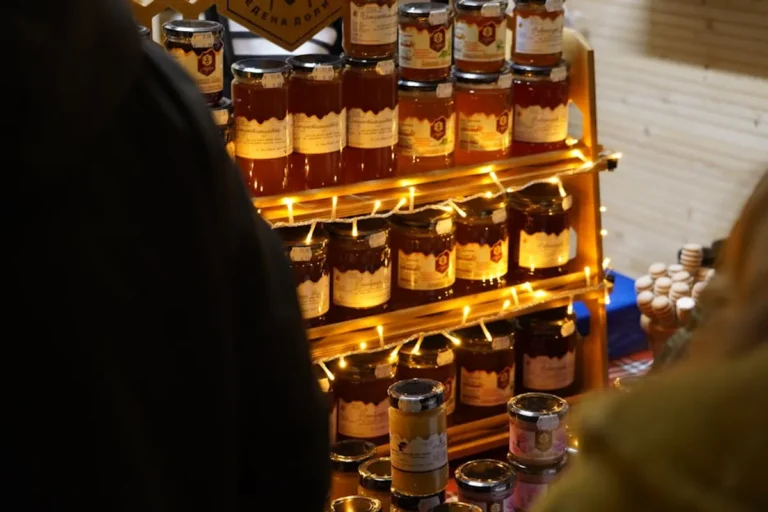
Best for: Clients seeking understated elegance, low-maintenance color that grows out gracefully, and a sophisticated aesthetic. This segment often prioritizes hair health and a premium salon experience. This sophisticated aesthetic is perfectly captured by popular shades like caramel honey highlights.
Bold & Expressive: Statement Hues
Contrasting with the natural palette, 2026 will also see a strong demand for vibrant, artistic color expressions. These looks are about making a statement, often incorporating unconventional placements or multi-dimensional effects. This trend requires advanced technical skills in color theory, placement, and formulation to ensure longevity and vibrancy.
Examples:
- Jewel Tones: Deep emeralds, sapphire blues, and amethyst purples applied as all-over colors, peek-a-boo highlights, or vibrant balayage.
- Multi-Dimensional Pastels: Soft, ethereal shades like lavender, mint, or rose gold, often blended to create a gradient or iridescent effect. These require pre-lightening and careful toning.
- High-Contrast Placements: Strategic sections of vibrant color against a natural base, such as vivid face-framing pieces, underlights, or chunky highlights for maximum visual impact.
Best for: Trend-setters, clients looking for a dramatic change, or those who view their hair as an artistic canvas. This segment is often willing to invest in maintenance products and frequent touch-ups.
Technologically Advanced: Health-Focused Colors
Beyond aesthetics, clients are increasingly prioritizing the health and integrity of their hair. This trend leverages advancements in color technology to deliver stunning results while minimizing damage and improving hair condition. Salons offering these services can command premium pricing due to the specialized products and expertise involved.
Examples:
- Bond-Building Formulas: Color services incorporating treatments designed to protect and strengthen hair bonds during the coloring process, reducing breakage and improving elasticity.
- Ammonia-Free & Low-PPD Options: Gentler formulations that reduce scalp irritation and allergic reactions, appealing to clients with sensitivities or those seeking a "cleaner" beauty approach.
- Glossing & Toning Treatments: Services focused on enhancing shine, extending color life, and refining tones without full re-coloring. These are crucial for maintaining vibrancy between major color appointments.
Best for: Clients concerned with hair damage, those with sensitive scalps, or anyone seeking to maintain optimal hair health while enjoying professional color services. This also includes clients looking for interim treatments to refresh their existing color.
Commercial Implications for Salons
Inventory & Education
To capitalize on these trends, salons must strategically update their product inventory. This involves investing in specific color lines that offer the projected shades and technological benefits. Crucially, staff education is paramount. Stylists need advanced training in new application techniques, color theory for complex formulations, and effective client consultation to translate trends into personalized services.
Marketing & Positioning
Effective marketing for 2026 color trends requires a strong visual strategy. Salons should:
- Produce high-quality visual content (before-and-after photos, short video tutorials) showcasing new color services.
- Utilize targeted social media campaigns to reach specific client segments interested in natural or bold looks.
- Host educational workshops or open house events to introduce new color techniques and products to existing and potential clients.
- Partner with local fashion influencers or beauty bloggers to generate authentic endorsements and expand reach.
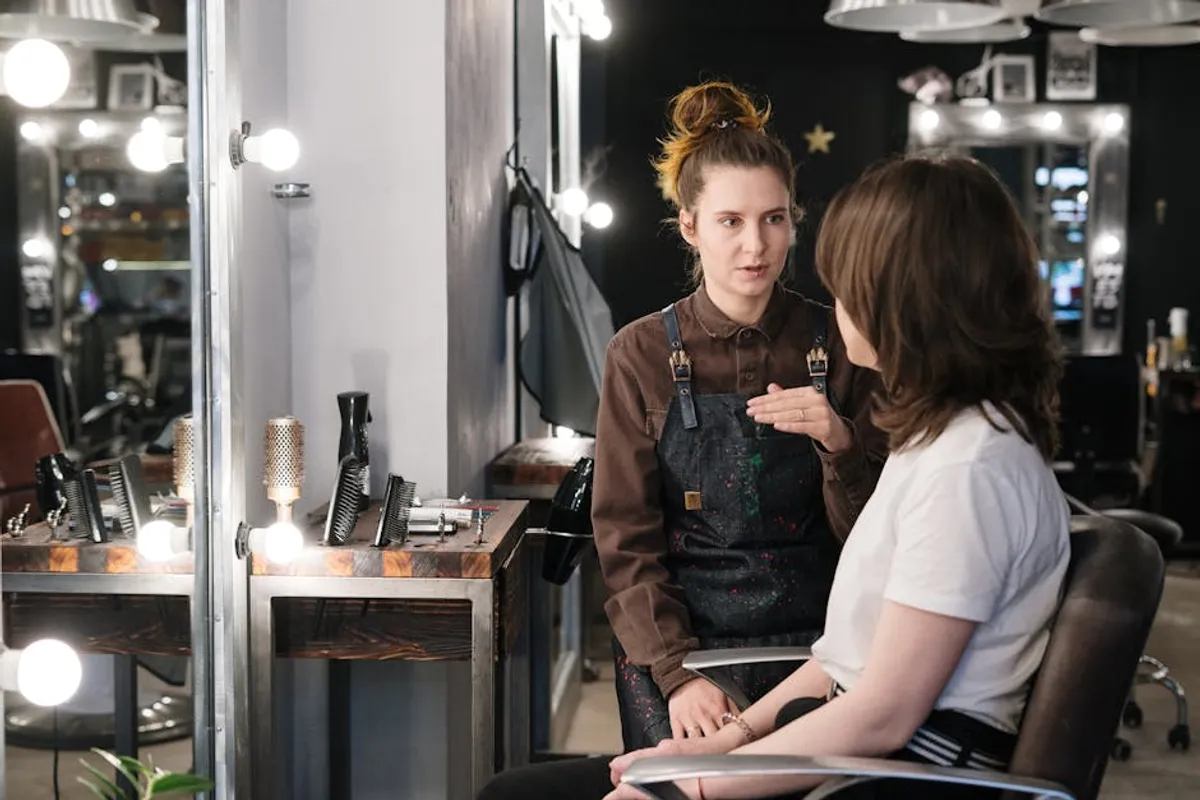
Pro Tip: Implement a mandatory "color consultation" service for all new color clients, even for seemingly simple requests. This allows stylists to assess hair history, manage expectations regarding trend adoption, and recommend appropriate pre- and post-care, which can significantly enhance client satisfaction and reduce potential issues. This also provides an opportunity to upsell conditioning treatments or specialized products.
Pricing Strategy
Specialized color services, particularly those involving advanced techniques or health-focused formulations, justify premium pricing. Salons should structure their service menu to reflect the expertise, time, and product cost associated with these complex treatments. Transparent pricing, coupled with clear communication about the value proposition, helps clients understand the investment in their hair.
Preparing Your Salon for 2026 Color Demands
Success in 2026's hair color market hinges on proactive adaptation. Salons must engage in continuous market research, invest in ongoing professional development for their teams, and refine their client communication strategies. By understanding the commercial drivers behind these trends—from sustainable product demand to the desire for hyper-personalization—salons can strategically position themselves not just as service providers, but as trend leaders and trusted advisors in hair health and aesthetics. This forward-thinking approach ensures continued client engagement and sustained revenue growth.
Frequently Asked Questions
What is the most important factor for salons to consider when adopting new color trends?
The most important factor is comprehensive staff training. Without stylists proficient in new techniques, color theory, and product knowledge, even the most popular trends cannot be executed effectively or safely, leading to client dissatisfaction.
How can salons effectively market new color services to their existing client base?
Utilize email newsletters and in-salon displays to showcase new looks, offer introductory promotions, and provide educational content about the benefits of new color technologies. Personalized recommendations during consultations are also highly effective.
Should salons prioritize natural or bold color trends for 2026?
Salons should aim for a balanced approach, catering to both the "elevated naturals" and "bold & expressive" segments. Analyzing local client demographics and preferences can help determine the optimal split for inventory and marketing efforts.