
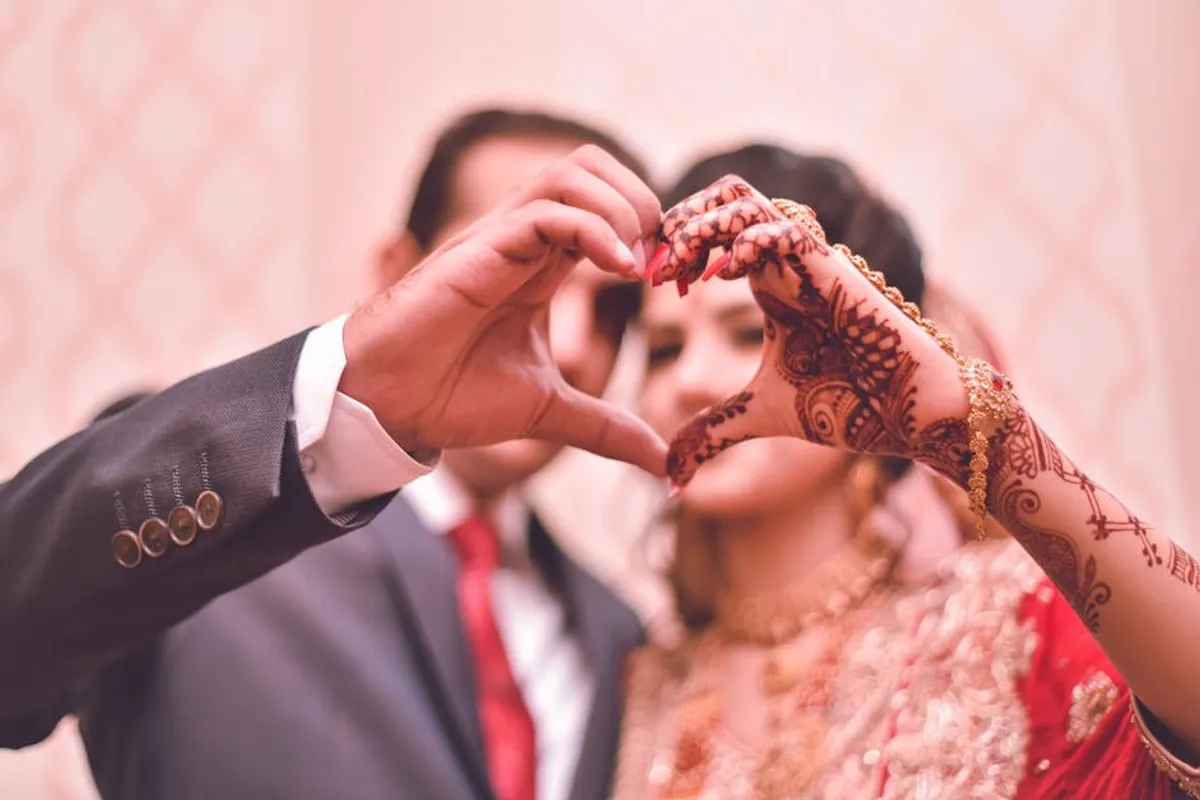
In a digital landscape increasingly saturated with content, the strategic deployment of emotionally resonant forms can significantly differentiate a brand's communication. Romantic Shayari, a poetic form with deep cultural roots, offers a unique avenue for content creators and marketers to forge deeper connections with their audience. This isn't merely about decorative language; it's about tapping into a rich tradition of expression that evokes sentiment, builds empathy, and enhances brand storytelling. Understanding its nuances, mastering its structure, and knowing where to integrate it can transform generic messaging into memorable, impactful narratives that resonate far beyond a fleeting scroll.
Defining Romantic Shayari
Shayari is a form of poetry, originating from the Persian language, that has evolved significantly in Urdu, Hindi, and other South Asian languages. It typically consists of couplets, known as 'sher' (plural 'ash'ar'), each of which is a complete thought in itself, yet often contributes to a larger thematic whole within a 'ghazal' or 'nazm'. The essence of Shayari lies in its ability to convey profound emotions and complex ideas with brevity and elegance, often through metaphors, similes, and evocative imagery.
Romantic Shayari specifically centers on themes of love, longing, separation, beauty, admiration, and devotion. It explores the intricate spectrum of human affection, from the initial spark of attraction to the enduring pain of unrequited love. The language is often lyrical, rich in symbolism, and designed to stir the heart and mind simultaneously. Its power stems from its ability to articulate feelings that are often ineffable, providing a voice to universal human experiences of love and desire.
Key Elements and Structure
A typical sher in Shayari follows a strict metrical pattern and often employs a rhyme scheme, usually AABB or AABA. Each line within a sher is called a 'misra'. While the structure is formal, the emotional content is fluid and expressive. Common elements include:
- Metaphor (Isti'ara) and Simile (Tashbih): Used extensively to draw vivid comparisons, often linking abstract emotions to concrete natural phenomena or human experiences. For instance, comparing a beloved's eyes to a deep ocean or their smile to moonlight.
- Personification (Tashkhees): Attributing human qualities to inanimate objects or abstract ideas, such as a restless heart or a whispering breeze.
- Hyperbole (Mubaligha): Exaggeration used for emphasis, common in expressing the intensity of love or pain.
- Rhyme and Rhythm (Qafiya and Radif): The consistent use of rhyming words (qafiya) and a repeated phrase or word (radif) at the end of subsequent lines, providing musicality and memorability.
- Emotional Depth: Shayari is not superficial. It delves into the complexities of human emotion, often exploring paradoxes like joy in sorrow or strength in vulnerability.
Examples of Romantic Shayari
To illustrate the form, consider these classic examples (with contextual translation):
"Hazaaron khwahishen aisi ke har khwahish pe dam nikle,
Bahut nikle mere armaan, lekin phir bhi kam nikle."
— Mirza Ghalib
Meaning: "Thousands of desires, each one worth dying for;
Many of my aspirations were fulfilled, yet still, they felt few."
This couplet speaks to the insatiable nature of desire and the bittersweet reality of longing, even in fulfillment, a common romantic sentiment.
"Tum mere ho, mere rehna, tum hi ho meri zindagi,
Tum bin jeena kya jeena, tum bin marna kya marna."
— Anonymous
Meaning: "You are mine, remain mine, you are my life;
What is living without you, what is dying without you?"
This simple, direct expression of unwavering devotion and complete dependence on a beloved is characteristic of passionate romantic Shayari.
Strategic Application of Romantic Shayari in Content
Integrating Romantic Shayari into your content strategy requires thoughtful placement and an understanding of your audience's cultural context. Its commercial utility lies in its ability to create emotional resonance, foster brand loyalty, and differentiate content in crowded digital spaces.
Enhancing Social Media Engagement
Use case: Short, evocative Shayari couplets can serve as powerful captions or visual overlays on platforms like Instagram, Facebook, or Pinterest. They pair effectively with high-quality imagery or short video clips, especially for brands in luxury goods, travel, hospitality, or lifestyle sectors.
Reasoning: Shayari's concise nature and emotional depth make it highly shareable. It encourages comments, shares, and saves by striking an emotional chord, increasing organic reach and fostering a sense of community around shared sentiment.
Deepening Blog Content and Storytelling
Use case: Incorporate relevant Shayari within blog posts that explore themes of relationships, personal growth, travel experiences, or even product narratives (e.g., a luxury watch's timeless appeal, a perfume's evocative power).
Reasoning: Shayari adds a layer of sophistication and emotional depth, transforming factual or descriptive content into a more engaging, literary experience. It can serve as an impactful opening, a poignant interlude, or a memorable conclusion, elevating the overall perceived value of the content.
Personalizing Email Marketing and CRM
Use case: A carefully chosen line of Shayari in a welcome email, a birthday message, or a loyalty program update can personalize communication beyond mere name insertion. This is particularly effective for brands aiming for a premium or intimate connection with their customer base.
Reasoning: Emotional connection drives loyalty. A well-placed Shayari demonstrates cultural sensitivity and an effort to connect on a deeper, more human level, fostering a sense of appreciation and exclusivity that standard marketing copy often fails to achieve.
Building Brand Voice and Identity
Use case: Brands seeking to cultivate a sophisticated, romantic, or culturally rich identity can weave Shayari into their overall messaging, from website copy to advertising taglines. This is especially relevant for brands with a heritage aspect or those targeting audiences appreciative of poetic expression.
Reasoning: Consistent use of a unique content element like Shayari helps carve out a distinct brand voice. It positions the brand as thoughtful, cultured, and attuned to emotional nuance, appealing to a segment of the market that values depth over overt commercialism.
Pro Tip for Authentic Integration: When using Romantic Shayari, authenticity is paramount. Avoid direct, literal translation if you are not fluent in the language, as poetic nuance is often lost. Instead, collaborate with native speakers or cultural experts to select appropriate couplets that convey the intended emotion and meaning accurately. Misuse can appear inauthentic or even disrespectful, undermining your brand's credibility.
Practical Considerations for Implementation
Before integrating Shayari, consider your target audience's familiarity with the form. While widely appreciated in South Asian cultures, its impact might vary across different demographics. For broader appeal, consider providing subtle translations or contextual explanations. The goal is to enhance, not alienate. Furthermore, ensure the chosen Shayari aligns perfectly with your brand's existing tone and message. An incongruous piece can feel jarring and detract from your content's effectiveness. Consistency in tone and theme across all touchpoints reinforces brand identity.
Elevating Your Content with Poetic Resonance
The strategic incorporation of Romantic Shayari offers a distinct advantage in content marketing, moving beyond mere information dissemination to genuine emotional engagement. By understanding its structure, appreciating its historical depth, and applying it thoughtfully across various platforms, brands can cultivate a unique voice that resonates deeply with their audience. This approach is not about superficial embellishment but about leveraging a powerful cultural art form to build stronger connections, enhance storytelling, and differentiate your content in a meaningful way. Begin by identifying key emotional touchpoints in your customer journey and explore how the elegance and depth of Shayari can amplify those moments, transforming transactional interactions into memorable experiences.
Frequently Asked Questions
Is Shayari exclusively about romance?
No, while Romantic Shayari is a prominent genre, Shayari encompasses a vast array of themes including philosophy, spirituality, social commentary, nature, and introspection. The specific 'romantic' designation narrows the focus to themes of love and longing.
What is the origin of Shayari?
Shayari originated in Persia (modern-day Iran) and developed significantly in the Indian subcontinent, particularly within Urdu and Hindi literature. It has roots in classical Arabic and Persian poetic traditions.
How can I ensure my use of Shayari is authentic?
To maintain authenticity, consult with native speakers or literary experts. Understand the cultural context and nuances of the chosen couplet. Avoid using online translators for direct interpretation, as they often miss poetic depth and cultural specificity. Ensure the Shayari genuinely aligns with your content's message and brand values.
What is the difference between a Ghazal and Shayari?
Shayari is the general term for poetry or poetic expression, often referring to a single couplet (sher). A Ghazal is a specific poetic form consisting of a series of thematically linked shers, all adhering to a strict rhyme and meter, and typically exploring a single overarching theme, often love or spiritual devotion. So, a Ghazal is a structured collection of Shayari couplets.