
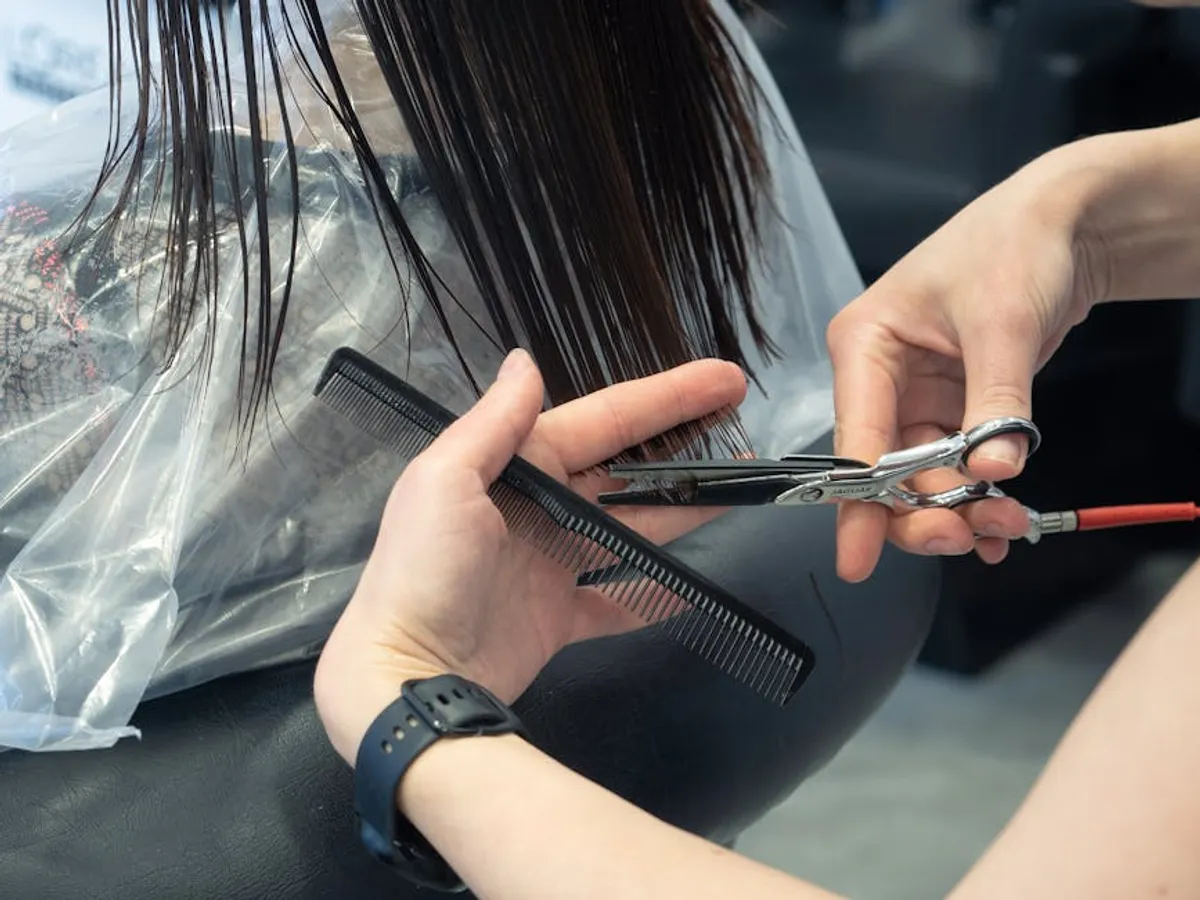
Choosing a long haircut extends beyond simply letting hair grow. Modern long styles offer a spectrum of options, from artfully layered looks that enhance movement and volume to precise blunt cuts that convey strength and polish. The decision hinges on understanding how a specific cut will interact with your natural hair texture, complement your face shape, and integrate into your daily styling routine. A well-chosen long haircut should not only reflect current trends but also feel inherently personal and manageable, ensuring it remains a flattering and enjoyable style.
Navigating Modern Long Hair Styles
Contemporary long haircuts are characterized by their adaptability and the emphasis on natural texture. They move away from overly structured or uniform looks, favoring cuts that enhance the hair's inherent qualities while offering versatility in styling.
The Allure of Layered Cuts
Layering remains a cornerstone of modern long hair, providing dimension, reducing bulk, and encouraging movement. The strategic placement of layers can dramatically alter a style's appearance and maintenance.
- Long, Seamless Layers: These layers are cut with minimal visible demarcation, blending smoothly into the hair's length. They are designed to add volume and movement without sacrificing the appearance of length.
Best for: Fine hair seeking volume without excessive thinning; thick hair needing weight reduction and enhanced flow; wavy hair to encourage natural curl patterns.
Maintenance: Requires trims every 10-12 weeks to maintain shape and prevent ends from becoming stringy.
- Face-Framing Layers: Starting around the chin or collarbone, these layers are tailored to draw attention to facial features. They can soften angular jawlines or add width to narrow faces, creating a flattering contour.
Best for: Round or square face shapes to introduce softening angles; highlighting cheekbones or jawline; adding softness around the face without committing to a full fringe.
Maintenance: May require more frequent trims (every 6-8 weeks) to keep the face-framing pieces precise and prevent them from growing out awkwardly.
- The Modern Shag: A revival of a classic, the modern shag features choppy, disconnected layers throughout the crown and sides, often paired with a fringe. It’s characterized by its texture, volume, and effortless, rock-and-roll vibe.
Best for: Wavy or curly hair that benefits from defined layers; individuals seeking a low-maintenance, edgy style that embraces natural texture; adding significant volume to the crown.
Maintenance: Minimal daily styling, often enhanced by air-drying or texturizing products. Trims every 8-10 weeks to refresh layers and shape.
Precision and Structure with Blunt Cuts
While layers offer softness, blunt cuts provide a strong, clean aesthetic. They are defined by a uniform length cut straight across, creating a dense, impactful line at the bottom.
- The Classic Blunt Cut: This style features all hair cut to a single, unlayered length, creating a sharp, solid line. It conveys a sense of sophistication and can make hair appear thicker and fuller at the ends.
Best for: Fine to medium hair densities where the goal is to maximize the appearance of thickness; straight hair that can hold a precise line; those desiring a sleek, polished look.
Maintenance: Requires precise trims every 8-10 weeks to maintain the sharp, defined line and prevent split ends from compromising the blunt edge.
- U-Cut and V-Cut: These are variations of the blunt cut that introduce subtle shaping at the back. The U-cut creates a gentle curve, while the V-cut forms a more pronounced point. Both maintain length while adding a degree of movement without traditional layering.
Best for: Thick hair that needs some shape without heavy layering; individuals who want to retain maximum length but desire a softer, less severe line than a straight blunt cut.
Maintenance: Trims every 10-12 weeks are sufficient to maintain the curve or point, as the overall shape is less dependent on intricate layering.
Essential Considerations for Choosing Your Cut
The success of a long haircut lies in its synergy with your individual characteristics. Ignoring these factors can lead to a style that fights your natural hair or demands excessive upkeep.
Hair Texture and Density
Your hair's natural texture and density dictate how a cut will fall and behave. Fine hair can appear fuller with blunt cuts or subtle layers that add body without removing too much bulk. Thick hair often benefits from strategic internal layering to reduce weight and prevent a triangular shape, encouraging movement. Wavy and curly textures thrive with cuts like shags or diffused layers that enhance natural patterns and prevent frizz by allowing curls to clump effectively. Straight hair can carry both precise blunt lines and flowing, long layers with ease, depending on the desired outcome.
Face Shape Harmonization
A haircut should balance and enhance your facial features. For round faces, face-framing layers that extend past the chin can create vertical lines, elongating the appearance. Square faces often benefit from soft, feathery layers around the jawline to soften angularity. Oval faces are highly versatile and can accommodate most long styles. Heart-shaped faces can be balanced with layers that add fullness around the jawline and collarbone, while long faces can be visually shortened by styles that add width at the sides or include a fringe.
Lifestyle and Maintenance Commitment
Consider how much time you are willing to dedicate to styling and salon visits. Highly precise cuts, such as a sharp blunt line or intricate face-framing, demand more frequent trims and potentially more daily styling to maintain their exact shape. Low-maintenance options, like a modern shag or long, diffused layers, often embrace natural texture and require less daily effort, making them suitable for busy schedules.
Pro Tip: Always bring reference images of desired long haircuts to your stylist. Discuss your hair's natural texture, your daily styling routine, and how much maintenance you are willing to commit to. This ensures the chosen style aligns with your expectations and lifestyle.
Styling and Upkeep for Longevity
Maintaining a modern long haircut involves more than just the initial cut; it requires consistent care and appropriate styling techniques to preserve its integrity and appearance.
Product Selection
Utilize products tailored to your hair type and chosen style. Volumizing mousses or sprays can add lift to fine hair with layers. Texturizing sprays or creams enhance the definition of shags and wavy styles. Leave-in conditioners are crucial for long hair to maintain hydration and manageability, especially for preventing split ends. Always use a heat protectant when applying heat, regardless of hair type, to shield strands from damage.
Regular Trims
Even if you are growing your hair long, regular trims are non-negotiable. Aim for a trim every 8-12 weeks to remove split ends, which can travel up the hair shaft and cause more extensive damage. Trims also refresh the shape of layered styles and maintain the clean line of blunt cuts, ensuring the haircut looks intentional and healthy.
Heat Styling Moderation
While heat tools can be essential for styling, excessive use or high temperatures can compromise hair health. Opt for lower heat settings, especially on fine or color-treated hair. Invest in quality styling tools that distribute heat evenly and consider air-drying when possible to minimize heat exposure. Regular deep conditioning treatments can help repair and protect long hair from the stresses of styling.
Selecting Your Signature Long Haircut
The ideal modern long haircut is a personalized choice, balancing current trends with practical considerations for your hair type, face shape, and lifestyle. By understanding the characteristics and maintenance requirements of various styles, you can make an informed decision that results in a flattering, manageable, and truly contemporary look. Consult with a professional stylist who can assess your hair's unique qualities and recommend a cut that not only looks good but also feels authentically you.
Frequently Asked Questions About Long Haircuts
How often should long hair be trimmed to maintain its style?
For most long haircuts, a trim every 8 to 12 weeks is recommended. This schedule helps remove split ends, maintains the cut's shape, and ensures healthy growth without losing significant length.
Can fine hair look good long, or will it appear too thin?
Yes, fine hair can look excellent when long. The key is to choose a style that maximizes the appearance of thickness, such as a blunt cut or long, subtle layers, and to avoid excessive thinning or too many short layers.
What's the best way to add volume to long, straight hair?
Adding long, seamless layers, using volumizing products at the root, and blow-drying with a round brush can significantly boost volume in long, straight hair. Texturizing sprays can also provide lift and body.
Are blunt cuts suitable for curly hair?
Blunt cuts can work for curly hair, especially if the goal is a strong, dramatic line. However, they can sometimes create a "pyramid" shape if not cut with consideration for the curl pattern. Layers are often preferred for curly hair to enhance curl definition and reduce bulk.