Anticipating haircut trends for 2026 is critical for salons, stylists, and product brands aiming to maintain market relevance and capture new client segments. The commercial landscape for hair services is dynamic, driven by social media influence, celebrity endorsements, and a growing consumer desire for personalized, yet accessible, styles. Understanding these shifts allows businesses to proactively train staff, optimize product inventories, and tailor marketing strategies to meet future demand. This foresight ensures service menus remain competitive and profitable, attracting clients actively seeking the next wave of style innovation while solidifying a brand's position as a trend leader. The following analysis focuses on trends offering distinct commercial advantages, considering factors from service complexity to product compatibility and client retention potential.
Navigating 2026 Haircut Trends for Commercial Advantage
Selecting which haircut trends to integrate into a service offering requires strategic consideration beyond mere aesthetics. Evaluate each trend based on its potential for client acquisition, average service value, and product sales. Assess the skill level required for stylists, the time investment per service, and the compatibility with existing product lines. Consider the trend's longevity and adaptability across diverse client demographics and hair textures, as styles with broader appeal and lower maintenance requirements often yield higher repeat business. Prioritize trends that offer clear upselling opportunities, whether through specialized treatments, color services, or specific styling product recommendations, maximizing revenue per client. Finally, gauge a trend's social media virality and visual appeal; styles that photograph well and generate engagement can significantly boost organic marketing efforts.
1. The Deconstructed Shag
The Deconstructed Shag evolves from its 70s roots, featuring softer, more disconnected layers that create movement without the heavy, often blunt, lines of traditional shags. This iteration emphasizes texture and an effortless, lived-in feel, making it highly adaptable for various hair lengths and densities. It's characterized by face-framing pieces and subtle interior layering that promotes natural waves and curls, reducing the need for extensive heat styling.
Best for: Clients seeking low-maintenance, bohemian-inspired styles with natural texture. It appeals to a broad age range, particularly those prioritizing ease of styling and a relaxed aesthetic.
Pros: High demand for texturizing sprays and leave-in conditioners, creating product upsell opportunities. Relatively quick to execute for skilled stylists. Strong visual appeal for social media marketing due to its inherent movement and versatility.
Cons: Requires specific layering techniques that may necessitate advanced stylist training. Can appear unkempt if not styled appropriately, potentially leading to client dissatisfaction if proper product education isn't provided.
Verdict: A commercially viable trend with strong product tie-ins, but requires investment in stylist education to ensure consistent, high-quality results and client retention.
2. The Modern Bixie
The Bixie, a hybrid cut blending the bob and the pixie, sees a modern resurgence with more defined, yet softer, lines for 2026. This version features a longer front and top section reminiscent of a pixie, transitioning into a subtly stacked or angled back, characteristic of a bob. The key is precise graduation and internal layering to create volume and shape, allowing for versatile styling from sleek to textured. It offers the boldness of a short cut with the styling options of a slightly longer length.
Best for: Clients desiring a chic, low-maintenance cut that offers both structure and softness. Ideal for those transitioning from longer hair to shorter styles or seeking a sophisticated, fashion-forward look.
Pros: Positions a salon as a destination for precision cutting. Often pairs well with subtle highlights or balayage on the longer sections, increasing service value. Requires less styling time for clients, promoting satisfaction.
Cons: Highly dependent on face shape and hair texture for optimal results, limiting its universal appeal. Precision cutting demands significant stylist skill and time, potentially impacting booking efficiency if not priced correctly.
Verdict: A high-impact trend for attracting a discerning clientele, offering premium service pricing, but requires specialized technical expertise and careful client consultation.
3. The Textured Crop (Men's)
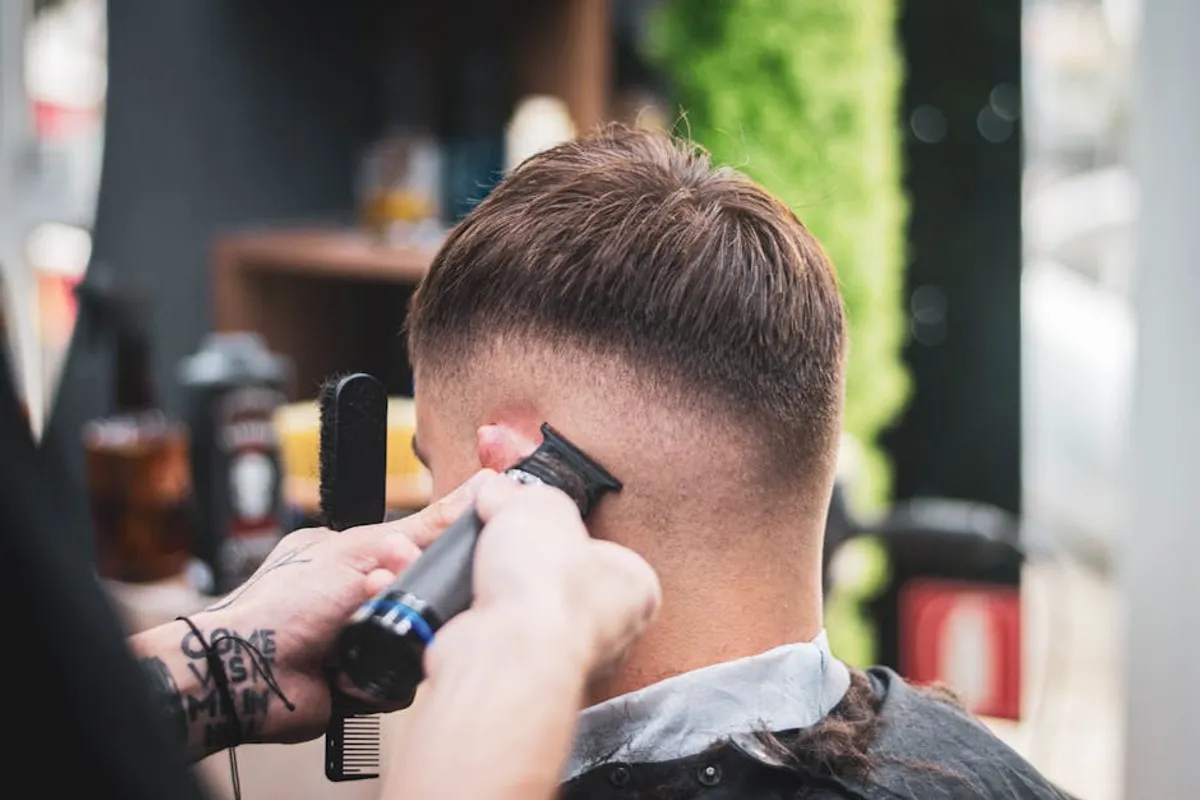
The Textured Crop for men continues its dominance, evolving with increased emphasis on natural-looking texture and softer fades. This cut features shorter sides and back, often with a subtle skin fade, contrasting with a longer top section styled forward or upward with significant texture. The 2026 iteration moves away from overly sharp, defined lines towards a more organic, tousled finish, often achieved with matte styling products. It's a versatile style that projects a contemporary, yet approachable, aesthetic.
Best for: Male clients seeking a modern, versatile, and relatively low-maintenance style. Appeals to a wide demographic from young professionals to more mature individuals who appreciate a clean yet stylish look.
Pros: Drives sales of matte clays, pastes, and sea salt sprays. High repeat booking potential due to the need for regular trims to maintain the fade. Offers clear opportunities for beard trimming and grooming add-ons.
Cons: Requires consistent client education on product application to achieve the desired texture. Stylists need proficiency in various fading techniques, which can be time-consuming to master.
Verdict: A commercially reliable trend with consistent demand and strong product attachment, making it a cornerstone for men's grooming services. Requires ongoing stylist skill refinement in fading.
4. Invisible Layers
Invisible layers are a subtle technique designed to remove weight and add movement without visible lines or obvious steps in the hair. This method involves internal layering, often cut at a high elevation, creating a soft, flowing silhouette. For 2026, this technique is applied to longer lengths, from collarbone to waist, enhancing natural body and reducing bulk. It's particularly effective for thicker hair types that tend to feel heavy or lack natural bounce.
Best for: Clients with long, thick hair who want movement and lightness without sacrificing length. Appeals to those seeking a polished, yet understated, style that appears naturally voluminous.
Pros: Increases demand for volume-enhancing shampoos, conditioners, and lightweight styling mousses. Encourages longer service times, allowing for higher pricing. Promotes client satisfaction by addressing common concerns about heavy hair.
Cons: Requires exceptional precision and understanding of hair fall to avoid creating visible layers. Can be difficult to execute on very fine hair, where weight removal is less critical and can lead to thinning appearance.
Verdict: A high-value service for salons specializing in longer hair, offering premium pricing and significant product upsell potential, but demands highly skilled, experienced stylists.
5. The Butterfly Cut
The Butterfly Cut is a layered style that creates the illusion of short hair around the face while maintaining significant length in the back. It features distinct, face-framing layers that blend seamlessly into longer layers at the back and sides. For 2026, the emphasis is on softer, more blended transitions between the layers, making it less extreme than previous iterations. This cut provides versatility, allowing clients to wear their hair up for a "short" look or down for a voluminous, longer style.
Best for: Clients with medium to long hair who desire volume, movement, and face-framing without committing to a full chop. Appeals to those seeking a versatile style that offers multiple looks.
Pros: Drives sales of volumizing products, heat protectants, and large barrel curling irons. Offers a significant transformation, leading to high client satisfaction and social media sharing. Encourages longer service times due to intricate layering.
Cons: Requires specific layering techniques that may be challenging for less experienced stylists. Can be high-maintenance for clients who desire the styled, voluminous look regularly, requiring clear education on styling tools and products.
Verdict: A commercially attractive trend due to its transformative power and product sales potential, but necessitates skilled stylists and comprehensive client styling guidance.
6. The Modern Perm (Soft Waves)
The modern perm, specifically focusing on soft, natural-looking waves rather than tight curls, is gaining traction for 2026. This technique uses larger rods and gentler solutions to create loose, beachy waves or added body, providing texture and volume that lasts. It's a significant departure from the harsh perms of the past, aiming for an effortless, undone aesthetic. This trend appeals to individuals wanting to enhance their natural texture or add movement to straight hair without daily heat styling.
Best for: Clients with straight or slightly wavy hair seeking to add texture, volume, and reduce daily styling effort. Appeals to those looking for a semi-permanent style solution.
Pros: High-ticket service with significant profit margins. Drives sales of curl-enhancing products, sulfate-free shampoos, and deep conditioning treatments. Positions a salon as innovative and offering specialized chemical services.
Cons: Requires specialized training in modern perming techniques and product knowledge. Chemical services carry inherent risks if not performed correctly, demanding strict adherence to safety protocols. Not suitable for all hair types, particularly heavily damaged or color-treated hair.
Verdict: A high-revenue opportunity for salons with specialized training and robust client consultation processes, enabling premium pricing and product sales, but demands stringent quality control.
7. The Tapered Afro/Coil Cut
For textured hair, the tapered afro or coil cut emphasizes clean lines and precise shaping, with a gradual reduction in length from the crown down to the nape and sides. The 2026 iteration focuses on softer, more natural tapering, enhancing the hair's natural coil pattern rather than suppressing it. This cut celebrates volume on top while providing a neat, sculpted perimeter, offering a sophisticated and polished look for natural hair. It's highly customizable, allowing for variations in length and fade intensity.
Best for: Clients with natural afro-textured or coily hair seeking a defined, structured, yet voluminous style. Appeals to individuals who embrace their natural hair and desire a clean, professional finish.
Pros: Positions a salon as proficient in diverse hair textures, attracting a specific, loyal clientele. Drives sales of specialized curl creams, leave-in conditioners, and scalp treatments. High repeat booking rate due to the need for regular shape-ups.
Cons: Requires extensive knowledge and skill in cutting and shaping textured hair, which is a specialized area. Can be a longer service, requiring appropriate pricing to ensure profitability.
Verdict: A crucial trend for diversifying a salon's service offering and tapping into a dedicated market segment, demanding specialized training and expertise in textured hair care and styling.
8. The French Bob (Jaw-Length)
The French Bob returns for 2026, specifically at jaw-length, often paired with soft, blunt bangs or face-framing layers. This cut is characterized by its precise, yet effortless, appearance, typically sitting just above the jawline. It offers a chic, sophisticated aesthetic that highlights the neck and jawline. The 2026 version emphasizes a slightly undone texture, moving away from overly sleek finishes, making it more adaptable to natural waves.
Best for: Clients seeking a classic, elegant, and low-maintenance short style. Ideal for those with fine to medium hair density who want to create an illusion of fullness and body.
Pros: Positions a salon as adept in classic, precision cuts. Often pairs well with subtle color enhancements like glosses or toners, increasing service value. Relatively quick service time once the technique is mastered.
Cons: Can be challenging to maintain for clients with very thick or curly hair, requiring significant styling effort. Requires precise cutting to achieve the signature jaw-length and blunt line, demanding skilled stylists.
Verdict: A commercially stable trend for attracting a clientele valuing timeless elegance, offering consistent demand and opportunities for color service add-ons, provided stylists execute with precision.
9. The Long Layers with Face Frame
This enduring trend for 2026 features long, flowing layers throughout the hair, complemented by distinct, yet soft, face-framing layers that begin around the chin or collarbone. The key is seamless blending between the layers to create movement and volume without sacrificing overall length. It's a versatile style that works across various hair textures, enhancing natural body and providing a flattering contour around the face. The emphasis is on healthy, well-maintained ends and natural shine.
Best for: Clients with medium to long hair who desire subtle volume, movement, and a flattering shape without significant length removal. Appeals to those seeking a classic, universally appealing style.
Pros: Drives sales of nourishing hair masks, shine serums, and heat protectants. Offers opportunities for subtle balayage or highlights to enhance the layers. High client satisfaction due to minimal commitment and enhanced natural beauty.
Cons: Can be a longer service depending on hair length and density. Requires consistent client education on at-home care to maintain hair health and shine, preventing split ends.
Verdict: A commercially reliable and evergreen trend, offering consistent demand and strong product tie-ins, making it a foundational service for any salon. Requires stylists proficient in seamless layering.
10. The Buzz Cut (Elevated)
The Buzz Cut for 2026 is elevated beyond a simple uniform shave, incorporating precise fading, subtle design elements, or specific lengths to create a more intentional, fashion-forward statement. This isn't just about practicality; it's about minimalist aesthetics and bold self-expression. Variations include high fades, low fades, and even subtle line-ups or geometric designs shaved into the sides. It's often paired with meticulously groomed facial hair for a complete look.
Best for: Clients seeking a bold, low-maintenance, and highly stylized short cut. Appeals to individuals who embrace minimalist fashion or want a dramatic change.
Pros: Extremely quick service time, allowing for high turnover. Drives demand for specialized clippers, trimmers, and scalp care products. Attracts a niche clientele looking for precision and artistic flair in short cuts.
Cons: Requires exceptional precision and steady hand from the stylist. Limited upselling opportunities beyond basic grooming products. Not suitable for clients who prefer versatility or longer styles.
Verdict: A high-efficiency service with potential for specialized pricing based on artistic elements, but demands extreme precision and a specific target market focus.
11. The Wet Look (Styled Cuts)
While not a cut itself, the "wet look" is a dominant styling trend for 2026 that heavily influences how cuts are executed and presented. This involves cuts designed to be styled with high-shine gels, mousses, and sprays to achieve a sleek, often sculpted, wet appearance. This trend impacts cuts from short pixies to slicked-back bobs and even longer, deconstructed styles where sections are intentionally styled wet. The focus is on a polished, editorial finish that highlights the cut's structure.
Best for: Clients seeking a high-fashion, editorial look for events or daily wear. Appeals to those who appreciate a bold, sophisticated aesthetic and are willing to invest in styling products.
Pros: Drives significant sales of high-shine gels, strong-hold mousses, and finishing sprays. Positions a salon as fashion-forward and capable of executing runway-inspired looks. Offers opportunities for styling workshops and product demonstrations.
Cons: Can be perceived as high-maintenance by some clients, requiring specific product application techniques. Not suitable for all hair types or daily wear, potentially limiting its broad appeal as a primary style.
Verdict: A powerful trend for boosting product sales and enhancing a salon's fashion credibility, but requires comprehensive client education on styling and product usage to ensure satisfaction.
12. The Power Bob (Blunt & Bold)
The Power Bob for 2026 is a statement cut, characterized by its sharp, blunt lines, typically sitting between the chin and collarbone. This iteration emphasizes strong, clean edges and minimal layering, creating a weighty, impactful silhouette. It projects confidence and sophistication, often styled sleek and smooth to highlight its precise structure. The bluntness can be adapted to various hair densities, but it truly shines on straight to slightly wavy hair.
Best for: Clients seeking a strong, modern, and professional aesthetic. Appeals to individuals who want a bold statement cut that exudes confidence and requires a polished finish.
Pros: Positions a salon as proficient in precision cutting and classic, impactful styles. Encourages sales of smoothing serums, heat protectants, and flat irons. High visual impact for marketing and client testimonials.
Cons: Requires consistent trims to maintain the blunt line, ensuring repeat business, but also demanding client commitment. Can be high-maintenance for clients with very curly or frizzy hair, requiring significant styling effort.
Verdict: A commercially robust trend for attracting a discerning, professional clientele, offering premium service pricing and consistent demand for maintenance services and smoothing products.
Implementing Trends for Commercial Impact
Translating these haircut trends into tangible business growth requires a structured approach. Firstly, invest in continuous education for your styling team; mastery of new techniques directly correlates with client satisfaction and the ability to command premium pricing. Secondly, optimize your product inventory to align with trending styles. For instance, the Deconstructed Shag and Textured Crop drive demand for specific texturizing products, while the Modern Perm and Power Bob require specialized chemical solutions and smoothing agents, respectively. Thirdly, leverage social media platforms to showcase executed trends, using high-quality visuals and clear calls to action. Measure success by tracking new client acquisition rates, average service value per client, and product sales associated with specific trend services. Monitor client retention for trend-specific services, indicating successful client education on at-home maintenance. Regular analysis of these metrics provides actionable insights into which trends are most profitable and resonate best with your target demographic, allowing for agile adjustments to service offerings and marketing efforts.
Frequently Asked Questions
What is the most versatile haircut trend for 2026?
The Long Layers with Face Frame typically offers the most versatility. It works across various hair textures and lengths, providing movement and shape without requiring a drastic change. This makes it adaptable for a wide range of clients and styling preferences, from casual to formal.
Which 2026 trend requires the most client maintenance?
The Modern Perm (Soft Waves) can require significant client maintenance due to the chemical process altering hair structure. Clients need to adhere to specific aftercare routines, including using sulfate-free products and deep conditioning treatments, to maintain the wave pattern and hair health. The Power Bob also requires consistent styling to maintain its sleek, blunt appearance.
How can salons identify which trends will be most profitable for their business?
Profitability depends on factors like your stylists' existing skill sets, your target clientele's demographics, and your current product inventory. Analyze your client base's preferences and willingness to pay for specialized services. Conduct internal training assessments to identify skill gaps. Consider trends that offer clear upsell opportunities (e.g., color services, specific styling products) and have a high repeat booking potential.
Are short haircuts still popular for 2026?
Yes, short haircuts remain highly popular for 2026, with styles like the Modern Bixie, French Bob, and Elevated Buzz Cut leading the way. These cuts emphasize precision, texture, and bold statements, moving beyond simple practicality to offer sophisticated, fashion-forward looks. Their popularity is driven by a desire for low-maintenance style and distinct personal expression.
How do social media platforms influence haircut trends?
Social media platforms like Instagram and TikTok are primary drivers of haircut trends. They accelerate the spread of new styles through viral content, celebrity influence, and user-generated transformations. This creates rapid demand for specific looks, making it essential for salons to monitor these platforms to stay ahead of client expectations and adapt their service offerings accordingly.