Maintaining optimal hair health and appearance requires a deliberate, scheduled approach, not just reactive measures. For individuals investing in professional cuts, color treatments, and premium care products, a well-structured maintenance schedule is critical for preserving that investment. It ensures longevity of style, vibrancy of color, and overall hair integrity, preventing common issues like split ends, faded color, and breakage before they escalate. This proactive strategy extends the life of salon services, minimizes emergency repairs, and ultimately keeps hair looking its best consistently, translating directly into sustained client satisfaction and reduced long-term costs. This proactive strategy extends the life of salon services, minimizes emergency repairs, and ultimately keeps hair looking its best, so consider these tips for healthy looking hair.
Establishing a Baseline for Hair Health
Before constructing any maintenance schedule, a foundational understanding of one's specific hair type and current condition is essential. Hair can be broadly categorized as fine, medium, or thick; oily, normal, or dry; and virgin, color-treated, or chemically processed. Each category presents unique needs. For example, fine hair might require more frequent trims to maintain body, while color-treated hair demands specialized products to prevent fading. Assess factors like porosity, elasticity, and scalp health to identify existing damage or underlying issues. This initial assessment informs product selection, treatment frequency, and the timing of salon visits, ensuring the schedule addresses actual needs rather than generic assumptions.
Strategic Haircuts: Timing and Technique
Regular Trims for Damage Prevention
The primary purpose of regular trims is to remove split ends and prevent damage from progressing up the hair shaft. For most hair types, a trim every 6-8 weeks is sufficient to maintain health and shape. Hair that is chemically treated, frequently heat-styled, or naturally prone to dryness may benefit from a 4-6 week schedule. Conversely, virgin hair or hair that is rarely styled might extend to 8-10 weeks. Consistency in these smaller trims avoids the need for more drastic cuts later, preserving desired length while ensuring ends remain healthy and strong.
Restyling and Shape Maintenance
Beyond simple damage removal, haircuts are crucial for maintaining the intended style and shape. Layered cuts, bobs, or intricate styles typically require more frequent shape-ups, often every 8-12 weeks, to prevent them from looking overgrown or losing their definition. Longer, one-length styles can often go 12-16 weeks between significant shape adjustments, focusing more on end health. The decision point here is visual: when the style begins to lose its intended silhouette or feels heavy, it signals time for a shape-defining cut.
Pro Tip: For individuals actively growing out their hair, consider "dusting" appointments every 10-12 weeks. This technique involves trimming only the absolute ends where damage is present, often less than an eighth of an inch, to remove split ends without sacrificing noticeable length. It's a strategic way to promote healthy growth and avoid significant setbacks.
Color Maintenance: Protecting Your Investment
Root Touch-Ups and Grey Coverage
The frequency of root touch-ups is directly tied to natural hair growth rate and the contrast between natural and colored hair. For significant grey coverage or stark color changes (e.g., dark roots on blonde hair), appointments every 3-5 weeks are typically necessary to maintain a seamless blend. For less pronounced contrasts or subtle balayage, 6-8 weeks might be acceptable. Adhering to this schedule prevents a noticeable demarcation line, ensuring a consistently polished appearance.
Full Color Refreshes and Highlights
Full color refreshes, where color is applied from root to tip, are generally needed less frequently than root touch-ups. Every 8-12 weeks helps to maintain vibrancy and depth, preventing overall fading. Highlights, depending on their placement and desired effect, can often be maintained with appointments every 10-16 weeks. Over-processing the hair with too frequent full color applications can lead to damage, so balancing color longevity with hair health is key.
Protecting Color Longevity
The lifespan of hair color can be significantly extended with appropriate at-home care, directly impacting the frequency of salon visits.
- Sulfate-free products: Use shampoos and conditioners specifically formulated for color-treated hair to prevent premature fading.
- UV protection: Incorporate leave-in products with UV filters, especially during prolonged sun exposure, to shield color from oxidation.
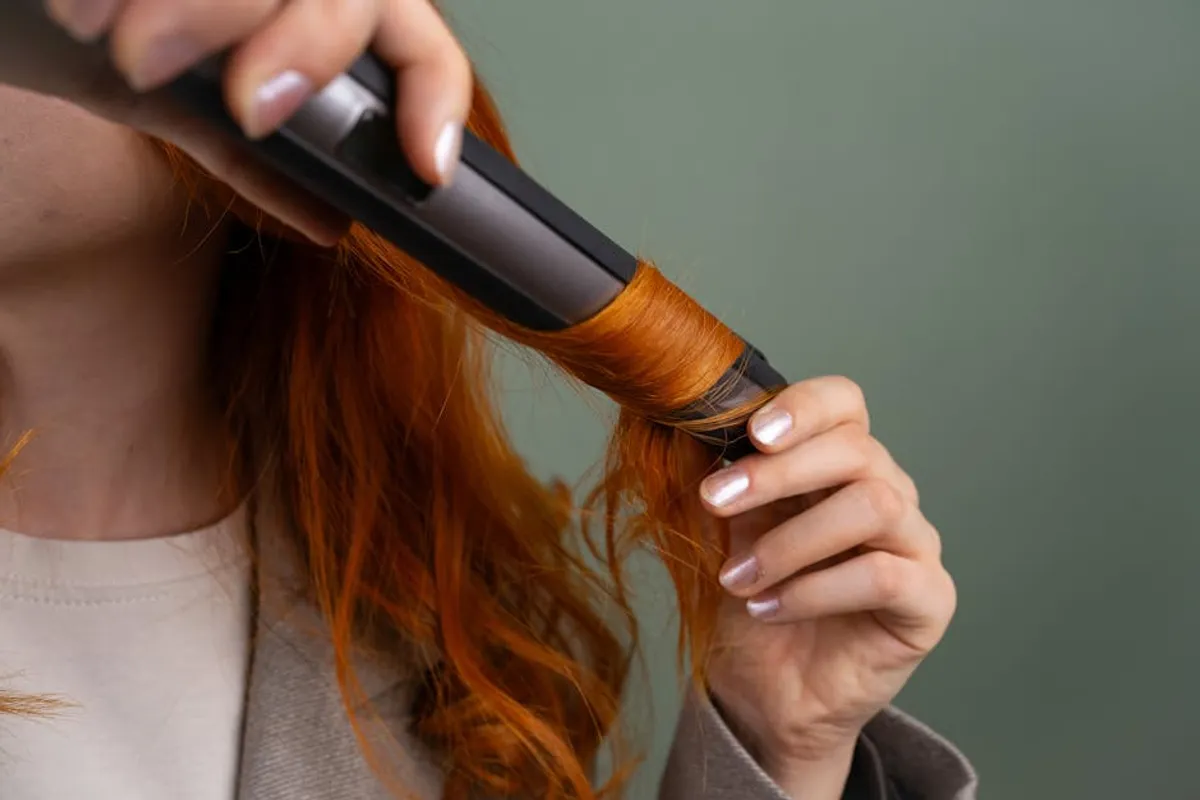
- Heat styling moderation: Minimize the use of hot tools, and always apply a heat protectant when styling. High heat can strip color and cause damage.
- Cooler water rinsing: Washing hair with lukewarm or cool water helps to seal the cuticle, locking in color pigments more effectively than hot water.
Comprehensive Hair Care Regimen
Daily and Weekly Routines
A consistent daily and weekly care routine underpins all salon services. Cleansing frequency should align with scalp oiliness and activity levels; typically, every 2-3 days for most, but daily for very oily scalps or post-workout. Conditioning should follow every wash, focusing on mid-lengths and ends. Weekly deep conditioning treatments or hair masks provide intensive hydration and repair, crucial for maintaining elasticity and shine, particularly for dry or treated hair. Daily application of leave-in conditioners or serums offers ongoing protection from environmental stressors and styling damage.
Seasonal Adjustments
Hair care needs fluctuate with environmental changes. During summer months, increased sun exposure, humidity, and chlorine or saltwater can lead to dryness and color fade. Incorporate more hydrating masks, UV protective sprays, and clarify regularly if swimming. In winter, cold, dry air and indoor heating can cause static and brittleness. Focus on richer moisturizing treatments, minimize heat styling, and use anti-frizz serums to combat dryness and static.
Nutritional Support
Hair health is also an internal reflection. A balanced diet rich in proteins, vitamins (especially A, C, E, and B-complex), and minerals (iron, zinc) directly supports hair growth and strength. Adequate hydration is equally vital for maintaining hair's natural moisture balance and overall vitality. While not a direct part of a salon schedule, these internal factors significantly influence the efficacy and longevity of external care efforts.
Building Your Personalized Hair Maintenance Schedule
Developing an effective hair maintenance schedule is a highly personalized process. It requires an honest assessment of your hair's unique characteristics, your lifestyle, and your budget. The frequencies outlined above serve as general guidelines, but individual needs will dictate the precise timing of cuts, color, and treatments. The most commercially advantageous approach is to view hair care as an ongoing investment, not a series of one-off expenses. Consult with a professional stylist who can provide tailored recommendations based on your hair's specific requirements and your desired aesthetic goals. Consistency in both professional services and at-home care will yield the most significant and lasting results, protecting your investment and ensuring your hair remains healthy and vibrant.
Frequently Asked Questions
How often should I wash my hair?
Washing frequency depends on hair type, scalp oiliness, and activity level. Oily scalps may require daily washing, while normal to dry hair can often go 2-3 days between washes. Over-washing can strip natural oils, leading to dryness.
Can I extend the time between color appointments?
Yes, by using color-safe shampoos, conditioners, and leave-in products, minimizing heat styling, and protecting hair from UV exposure. Strategic highlighting or balayage can also create a softer grow-out, allowing for longer intervals between full color services.
What's the most important product for colored hair?
A high-quality, sulfate-free shampoo and conditioner specifically designed for color-treated hair is paramount. These products help to preserve color pigments and prevent premature fading, extending the vibrancy of your salon service.
How do I know if my hair needs a trim?
Key indicators include visible split ends, hair feeling rough or tangled at the ends, loss of shape in your hairstyle, or difficulty styling due to uneven growth. If your hair feels heavy or lacks movement, it's likely time for a trim.