
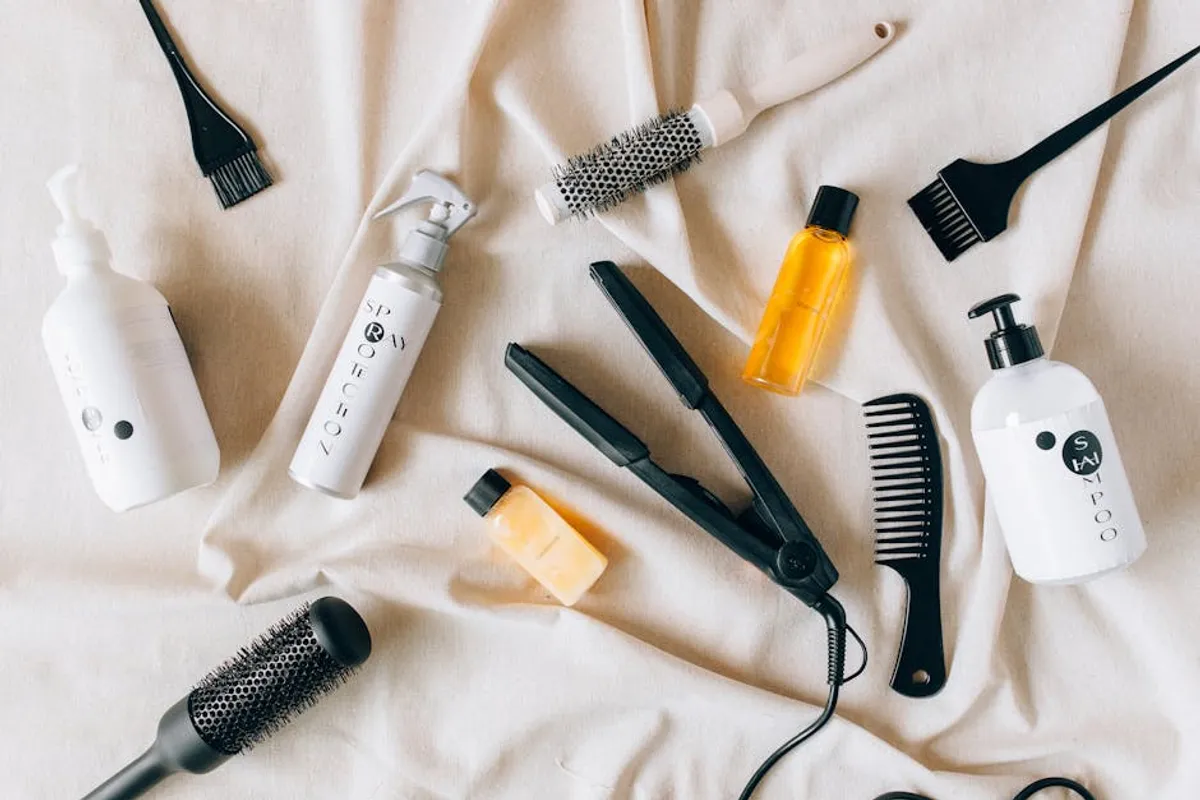
Clients often invest significantly in professional hair services, expecting lasting results and improved hair health. However, the efficacy and longevity of salon treatments are frequently undermined by common haircare errors made at home. These daily practices, often rooted in misinformation or habit, can lead to issues ranging from accelerated color fade and product buildup to significant structural damage and scalp irritation. Understanding these prevalent mistakes is crucial for maintaining hair integrity, maximizing professional service benefits, and preventing avoidable hair concerns that require further intervention.
Over-Washing and Product Misapplication
The Stripping Effect of Frequent Washing
Washing hair too frequently, particularly with harsh sulfates, strips the scalp of its natural sebum (oils). This removal can trigger the sebaceous glands to overproduce oil, leading to a cycle of increased greasiness and subsequent over-washing. For color-treated hair, frequent washing accelerates pigment loss, necessitating earlier touch-ups. Moreover, hot water exacerbates this stripping effect by opening the hair cuticle, making it more vulnerable to color depletion and moisture loss.
Misapplication of Conditioners and Treatments
Many clients apply conditioner directly to the scalp or use excessive amounts, leading to heavy residue and weighed-down hair. Conditioners are formulated to address the mid-lengths and ends, which are typically drier and more prone to damage. Applying rich conditioners to the scalp can clog follicles, contribute to oiliness, and even cause irritation. Similarly, deep treatments and masks, while beneficial, are often left on for durations exceeding product instructions, which can over-soften the hair shaft, making it susceptible to breakage, especially for fine or chemically processed hair.
Incorrect Styling Practices
Heat Damage from Tools
High-temperature styling tools (flat irons, curling wands, blow dryers) are a primary source of at-home hair damage. Clients frequently omit heat protectants, which form a thermal barrier to minimize cuticle damage. Using tools on hair that is not fully dry can boil the internal moisture, creating steam bubbles that rupture the hair shaft. Additionally, setting temperatures too high for hair type – fine hair requires lower heat than coarse hair – or holding heat tools on sections for extended periods causes irreversible protein denaturation and moisture loss, resulting in brittleness and split ends.
Aggressive Brushing and Towel Drying
Wet hair is significantly more elastic and vulnerable to damage than dry hair. Brushing wet hair with a standard brush, rather than a wide-tooth comb or a specialized detangling brush, can cause mechanical breakage and stretch the hair shaft beyond its elastic limit. Similarly, rubbing hair vigorously with a towel after washing creates friction that roughs up the cuticle layer, leading to frizz, tangles, and potential breakage. This aggressive action also disrupts the natural pattern of curly or wavy hair, compromising definition.
Pro Tip: When detangling wet hair, always start from the ends and work your way up to the roots in small sections. This minimizes tension and prevents knots from tightening, reducing breakage significantly.
Neglecting Scalp Health
Product Buildup and Insufficient Cleansing
The scalp is skin and requires consistent, appropriate care. Over-reliance on dry shampoo, styling products, or infrequent washing can lead to significant product buildup, dead skin cell accumulation, and environmental debris. This buildup can clog hair follicles, impede healthy hair growth, and create an environment conducive to bacterial or fungal overgrowth, manifesting as itchiness, flakiness, or even inflammation. Clients often overlook the need for targeted scalp cleansing or clarifying treatments to remove this residue effectively.
Ignoring Scalp-Specific Needs
Scalp conditions like dandruff, seborrheic dermatitis, or excessive oiliness are often dismissed or treated with general hair products. Using shampoos and conditioners not formulated for specific scalp concerns can exacerbate existing issues. For instance, a dry, itchy scalp requires hydrating and calming ingredients, while an oily scalp benefits from balancing and purifying formulations. Ignoring these specific needs can lead to chronic discomfort and impact overall hair health, as the scalp is the foundation for healthy hair growth.
DIY Coloring and Chemical Treatments
Uneven Application and Damage Risks
At-home hair coloring kits, while accessible, carry significant risks. Achieving even color application without professional sectioning techniques is challenging, often resulting in patchy or inconsistent tones. More critically, DIY chemical processes like perms or relaxers can cause severe damage due to incorrect product selection, improper processing times, or overlapping previously treated hair. This can lead to chemical burns on the scalp, extreme breakage, and irreversible hair texture changes, necessitating extensive repair.
Incompatible Product Combinations
Clients sometimes combine different brands or types of chemical treatments without understanding their compatibility. For example, applying a permanent color over hair previously treated with henna or metallic dyes can result in unpredictable color outcomes or severe chemical reactions. Similarly, using harsh bleaching agents on hair already compromised by heat styling or previous chemical services can push the hair past its breaking point, causing significant structural damage or hair loss.
Practical Adjustments for Better Hair Health
Addressing these common at-home haircare mistakes involves conscious adjustments to daily routines and product choices. Implementing targeted changes can dramatically improve hair health, enhance the longevity of professional services, and prevent recurring issues.
- Optimize Washing Frequency: Aim for 2-3 washes per week for most hair types. Use lukewarm water to prevent stripping and rinse thoroughly.
- Targeted Conditioning: Apply conditioner from mid-lengths to ends only, focusing on areas prone to dryness. Rinse until hair feels clean, not slippery.
- Prioritize Heat Protection: Always apply a heat protectant spray or cream before using any heat styling tools. Adjust tool temperatures based on hair thickness and condition.
- Gentle Detangling: Use a wide-tooth comb on wet hair, starting from the ends. Blot hair gently with a microfiber towel instead of rubbing.
- Scalp Care Integration: Incorporate a clarifying shampoo or scalp scrub once a month to remove buildup. Use scalp-specific treatments for persistent issues.
- Professional Consultation: For chemical services or significant color changes, consult a professional to avoid damage and achieve desired results safely.
Frequently Asked Questions
Q: How often should I clarify my hair?
A: For most hair types, clarifying once every 4-6 weeks is sufficient to remove product buildup and environmental residue without over-stripping.
Q: Can I air-dry my hair instead of blow-drying?
A: Yes, air-drying minimizes heat exposure and can be beneficial, especially for damaged or fine hair. Use a leave-in conditioner to control frizz during the process.
Q: What’s the ideal water temperature for washing hair?
A: Lukewarm water is best for washing, as it effectively cleanses without stripping natural oils or excessively opening the hair cuticle. A cool rinse can help seal the cuticle.
Q: How do I choose the right products for my hair type?
A: Identify your hair type (oily, dry, fine, thick), texture (straight, wavy, curly, coily), and any specific concerns (color-treated, damaged, frizzy). Look for products specifically formulated to address these needs, and consider professional recommendations.