Selecting the ideal wedding hairstyle, whether as a bride or a guest, involves more than aesthetic preference; it requires practical consideration of the event's formality, venue, climate, and personal hair characteristics. The right choice enhances the overall look, provides comfort throughout a long day, and withstands various conditions from ceremony to reception. This guide outlines popular and versatile wedding hairstyles, detailing their specific applications, advantages, and potential drawbacks to inform a considered decision.
Key Considerations for Wedding Hairstyles
Before committing to a specific style, evaluate several factors that will influence its success and longevity. The wedding's theme, be it rustic, formal, bohemian, or modern, dictates the appropriate level of intricacy and adornment. Outdoor events or humid climates necessitate styles with enhanced hold and resilience against environmental factors. Hair length, texture, and volume are fundamental, as certain styles are better suited for specific hair types. Finally, consider the dress neckline and any planned accessories like veils, headpieces, or jewelry, ensuring the hairstyle complements rather than competes with these elements.
1. The Classic Chignon
The chignon is a timeless and elegant low bun, typically secured at the nape of the neck or just above it. Its appeal lies in its refined simplicity, offering a polished look that suits formal and traditional wedding settings. It can range from tightly coiled and sleek to a softer, slightly deconstructed version with subtle volume at the crown. This style is particularly effective for showcasing intricate dress necklines or statement earrings, as it keeps hair neatly off the face and shoulders.
Best for: Formal weddings, traditional ceremonies, brides and guests seeking a sophisticated, understated look. Ideal for showcasing backless or high-necked gowns.
Pros: Exceptional longevity, minimal concern for frizz or flyaways in humid conditions due to its secured nature. Versatile enough to incorporate braids or twists for added detail. Projects an aura of classic elegance.
Cons: Can appear overly severe if not softened with face-framing pieces or texture. Requires a certain hair length for a substantial bun. May feel heavy if hair is very thick or if too many pins are used.
Verdict: A consistently reliable choice for enduring elegance. Its structured form ensures it holds up throughout the day and night, making it a low-maintenance option for sustained polish.
2. Romantic Braided Updo
This style combines the intricate beauty of braids with the practicality of an updo. It often features loosely woven braids, such as French, Dutch, or fishtail, artfully incorporated into a bun or a cluster of curls at the back of the head. The overall effect is soft, ethereal, and romantic, often with a slightly undone quality that adds to its charm. Floral accents or delicate hairpins can be woven into the braids for an enhanced bohemian or garden-party aesthetic.
Best for: Garden weddings, rustic themes, bohemian celebrations, or any event where a softer, more whimsical look is desired. Suitable for both brides and guests.
Pros: Offers visual interest and texture. Provides good hold while maintaining a soft appearance. Can be customized with various braid types and levels of looseness. Accommodates hair accessories well.
Cons: Can be time-consuming to create, particularly for complex braid patterns. May require significant hair length or extensions for substantial braids. Looser styles may require touch-ups if exposed to wind.
Verdict: An excellent option for adding intricate detail and a touch of romance without sacrificing security. Its versatility allows for significant personalization to match individual style and wedding theme.
3. Half-Up, Half-Down with Waves
The half-up, half-down style offers the best of both worlds: hair kept away from the face for practicality, with the length flowing freely for a softer, more approachable look. When paired with soft, flowing waves, it creates a romantic and effortlessly chic aesthetic. The top section can be secured with a simple twist, a small braid, or an elegant clip, often with volume at the crown to add height and structure.
Best for: Semi-formal weddings, outdoor venues, or individuals who prefer to wear their hair down but need some control. Works well for showcasing hair length and texture.
Pros: Versatile and universally flattering. Provides a balance of elegance and relaxed beauty. Allows for easy incorporation of veils or headpieces in the secured section. Less restrictive than a full updo.
Cons: The loose sections are susceptible to humidity and wind, potentially losing their wave pattern over time. Requires regular touch-ups to maintain curl definition. May not be ideal for very hot climates.
Verdict: A popular choice for its blend of formality and freedom. It's a strong contender for those who want to feel glamorous yet natural, provided weather conditions are favorable or touch-ups are feasible.
4. Sleek Low Ponytail
A sleek low ponytail redefines simplicity with a modern edge. This style features perfectly straightened hair pulled back tightly and secured at the nape of the neck. The absence of flyaways and the glossy finish are paramount to its sophisticated appeal. It often includes a section of hair wrapped around the elastic to conceal it, contributing to its polished look. This style offers a clean canvas, ideal for emphasizing bold makeup or striking jewelry.
Best for: Modern weddings, minimalist aesthetics, and brides or guests seeking a sharp, contemporary look. Excellent for showcasing intricate dress details around the collarbone or shoulders.
Pros: Extremely durable and resistant to environmental factors like wind or humidity. Creates a sophisticated, high-fashion impression. Requires minimal maintenance once set. Suitable for all hair lengths beyond a bob.
Cons: Can appear too severe on some face shapes without softening elements. Requires perfectly smooth, frizz-free hair, which may necessitate heat styling and anti-humidity products. Less forgiving of flyaways.
Verdict: A powerful statement of modern elegance. Its clean lines and secure hold make it an excellent choice for a long event, particularly for those prioritizing a sleek, architectural aesthetic.
5. Textured High Ponytail
Unlike its sleek counterpart, the textured high ponytail focuses on volume, movement, and a playful yet glamorous vibe. Hair is gathered high on the crown, often with backcombing or extensions to create significant volume and bounce. The ponytail itself is styled with soft waves or curls, allowing for dynamic movement. This look is energetic and youthful, offering a contemporary take on a classic updo.
Best for: Glamorous weddings, evening receptions, or those wanting to add height and drama to their look. Works well with modern or playful dress styles.
Pros: Creates a dramatic and impactful silhouette. Keeps hair completely off the neck and shoulders, ideal for warmer weather. Offers a youthful and dynamic appearance. Can be adapted for various hair textures.
Cons: Requires significant volume and potentially extensions, which can add to styling time and cost. The high placement can sometimes pull on the scalp, potentially causing discomfort over many hours. Susceptible to losing volume over time.
Verdict: A bold and stylish choice for those who want to make an impression with volume and movement. It combines the practicality of an updo with the allure of flowing hair, best suited for those comfortable with a more dramatic style.
6. Bohemian Crown Braid
The bohemian crown braid, or halo braid, encircles the head like a natural crown. It typically features a French or Dutch braid that starts at one temple, wraps around the head, and finishes at the other, often with loose, face-framing pieces to enhance the soft, romantic feel. This style is inherently natural and whimsical, perfectly complementing outdoor or relaxed wedding settings. Small flowers or delicate pins can be tucked into the braid for added charm.
Best for: Outdoor weddings, beach ceremonies, bohemian or rustic themes. Guests and brides seeking a natural, ethereal, and low-maintenance look.
Pros: Keeps hair securely off the face and neck, making it practical for active events or humid conditions. Offers a unique, artistic aesthetic. Can be adapted for various hair lengths and textures. Less prone to unraveling than looser updos.
Cons: Requires a certain level of braiding skill if attempting DIY. Can feel tight if braided too firmly. May not suit very formal or traditional wedding themes. Requires sufficient hair length to wrap around the head.
Verdict: A beautiful and practical choice for a free-spirited aesthetic. It provides excellent security and a distinct visual appeal, making it a standout option for less formal celebrations.
7. Vintage Hollywood Waves
Inspired by the glamour of the 1940s and 50s, vintage Hollywood waves feature deep, sculpted S-shaped waves that fall elegantly over one shoulder or frame the face symmetrically. This style is synonymous with old-school luxury and sophisticated allure. It demands high shine and precise execution to achieve its iconic, polished finish. Often paired with a side part, it exudes confidence and timeless appeal.
Best for: Black-tie weddings, art deco themes, or any event demanding a high level of sophistication and old-world glamour. Suitable for brides and guests making a grand entrance.
Pros: Exudes unparalleled glamour and sophistication. Creates a striking visual impact. Can be surprisingly durable when set correctly with strong hold products. Flatters most face shapes.
Cons: Requires significant styling time and expertise to achieve the precise wave pattern. Susceptible to humidity, which can cause waves to relax or frizz if not adequately protected. May feel heavy due to the amount of product needed for hold.
Verdict: The quintessential choice for a truly glamorous wedding. While demanding in execution and maintenance, the visual payoff of these iconic waves is undeniable for a show-stopping look.
8. Modern Messy Bun
The modern messy bun is an updated, more intentional version of a casual everyday bun. It features strategically placed loose strands, volume at the crown, and a textured, slightly undone finish. It can be positioned high on the head for a playful look or lower for a softer, more romantic feel. The key is controlled imperfection, ensuring it looks artfully tousled rather than genuinely haphazard.
Best for: Casual chic weddings, intimate ceremonies, or guests seeking an elegant yet relaxed aesthetic. Ideal for showcasing natural hair texture.
Pros: Appears effortless and chic. Offers comfort and keeps hair off the neck. Can be customized to varying degrees of "messiness." Works well with a variety of hair types, including those with natural waves or curls.
Cons: The "messy" aspect can sometimes be misconstrued as unkempt if not styled by an expert. Requires a balance of hold and flexibility to maintain its shape without looking too stiff. May require specific hair texture or product to achieve desired volume.
Verdict: A versatile and comfortable option for a contemporary, relaxed wedding. Its charm lies in its apparent simplicity, offering an elegant solution for those who prefer an understated yet stylish approach.
9. Glamorous Side Sweep
A glamorous side sweep involves styling all hair to one side, often with voluminous curls or waves. This asymmetrical look is inherently dramatic and alluring, highlighting one side of the face and shoulder while creating a cascade of hair on the other. It's a popular choice for red-carpet events and formal weddings, offering a sensual yet sophisticated appeal. Hair is typically secured discreetly with pins or a decorative comb.
Best for: Formal evening weddings, elegant receptions, or individuals wanting a dramatic and alluring look. Excellent for showcasing a single statement earring or a bold neckline.
Pros: Creates a striking, asymmetrical silhouette. Offers a blend of hair-down glamour with the practicality of keeping one side clear. Can be adapted for various hair lengths, from shoulder-length to very long. Enhances facial features and décolletage.
Cons: Requires strong hold products and careful pinning to ensure it stays in place throughout the event. The weight of the hair on one side can sometimes feel unbalanced. May require touch-ups to maintain volume and curl definition.
Verdict: A high-impact choice for those seeking to combine allure with sophistication. It's a style that commands attention, best suited for formal settings where its dramatic flair can truly shine.
10. Short Hair with Embellishments
For those with bobs, pixies, or other short styles, the focus shifts to enhancing the cut with texture, volume, and strategic embellishments. This can involve styling short hair into sleek waves, adding volume at the crown, or creating a textured, piecey look. The true glamour often comes from accessories: ornate headbands, delicate hairpins, jeweled clips, or a birdcage veil. These elements transform a simple cut into a wedding-appropriate statement.
Best for: Brides and guests with short hair who want to elevate their existing cut for a wedding. Works across various wedding themes depending on the chosen accessory.
Pros: Highlights the natural beauty of short hair. Requires less styling time than longer hair. Accessories can be easily changed to match different outfits or parts of the event. Offers a chic, modern, and often edgy aesthetic.
Cons: Limited styling options compared to long hair. Requires careful selection of accessories to avoid overwhelming the look. Hair may need to be freshly cut and styled to look its best. Less versatility for updos.
Verdict: A testament to the fact that elegance isn't exclusive to long hair. With the right styling and well-chosen accessories, short hair can be just as impactful and sophisticated for a wedding.
11. Enhanced Natural Curls
Embracing and enhancing natural curls involves defining their pattern, reducing frizz, and adding volume without forcing them into an unnatural shape. This style celebrates the inherent texture of the hair, making it appear polished and refined while maintaining its organic beauty. It can be worn completely down, half-up, or gathered into a loose, curly updo. The key is healthy, hydrated curls that are well-defined and voluminous.
Best for: Individuals with naturally curly or coily hair, for any wedding theme that values authenticity and natural beauty. Especially suitable for outdoor or humid climates where fighting natural texture is futile.
Pros: Celebrates natural beauty and texture. Can be very durable in humid conditions if styled correctly with appropriate products. Offers a soft, romantic, and unique look. Reduces reliance on heat styling.
Cons: Requires specific products and techniques to achieve optimal definition and frizz control. Can be unpredictable depending on hair's porosity and the day's humidity. May require a trial run to perfect the routine.
Verdict: A powerful statement of self-acceptance and natural elegance. When properly executed, enhanced natural curls offer a stunning, authentic, and resilient wedding hairstyle.
12. Elegant French Twist
The French twist is a vertical roll of hair secured at the back of the head, creating a sleek, elongated silhouette. It's a classic updo known for its sophisticated and polished appearance, often associated with timeless grace. The style can be very tight and sleek for a formal look or slightly softer with some volume at the crown and loose tendrils for a more romantic feel. It effectively keeps all hair off the neck, making it practical for long events.
Best for: Formal, traditional, or classic weddings. Brides and guests seeking a sophisticated and enduring updo. Ideal for showcasing high necklines or intricate back details on a dress.
Pros: Extremely elegant and timeless. Provides a secure hold, making it durable throughout the day and night. Keeps hair neatly contained, reducing concerns about frizz or tangles. Creates an elongated neck and refined profile.
Cons: Can appear somewhat severe if not softened with face-framing pieces or a slight lift at the crown. Requires a certain hair length and thickness to achieve a substantial twist. Can be challenging to create without professional assistance.
Verdict: A quintessential updo for formal occasions, offering unmatched elegance and reliable hold. Its classic appeal ensures it remains a top choice for brides and guests prioritizing enduring sophistication.
Selecting Your Ideal Wedding Hairstyle
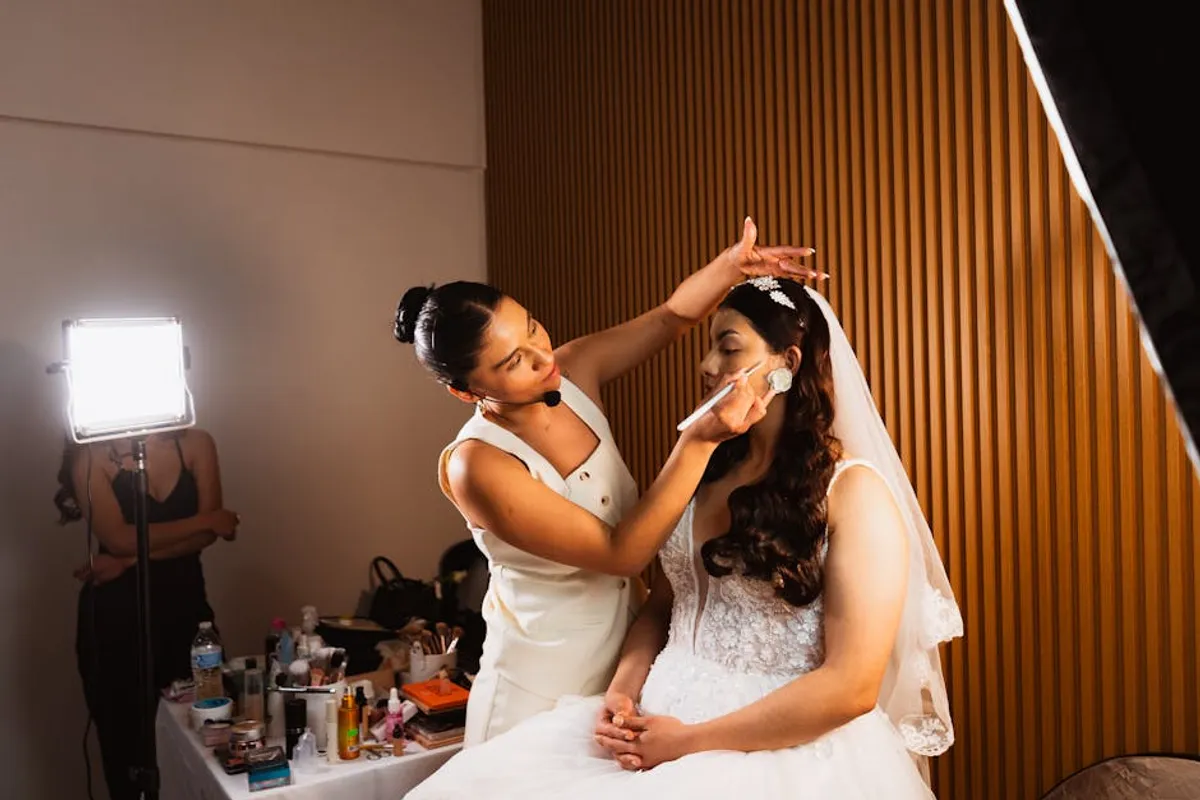
Making a final decision on your wedding hairstyle involves a strategic approach. Begin by gathering inspiration that aligns with your personal style and the wedding's overall aesthetic. Consider your hair's natural texture, length, and health, as these factors significantly influence what styles are achievable and how well they will hold. Schedule a consultation with a professional stylist well in advance of the wedding date. During this consultation, discuss your vision, show inspiration photos, and clarify any concerns regarding hair type or potential environmental factors. A trial run is crucial, especially for brides, to test the chosen style with your veil or accessories, assess its comfort, and ensure it withstands movement. Document the trial with photos from various angles to review later. Finally, communicate openly with your stylist about your expectations and any adjustments needed to ensure the final look is exactly what you envision for the special day.
Frequently Asked Questions About Wedding Hairstyles
Q: How far in advance should I book my wedding hairstylist?
A: For brides, booking 6-12 months in advance is recommended, especially for popular stylists or during peak wedding seasons. Guests typically do not need to book as far in advance, but 1-3 months is advisable for a specific stylist.
Q: Should I wash my hair on the wedding day?
A: Most stylists recommend washing your hair the day before the wedding. Freshly washed hair can be too soft and slippery, making it difficult for updos or intricate styles to hold. Day-old hair often has more grip and texture.
Q: What if it rains or is very humid on the wedding day?
A: Discuss weather contingencies with your stylist during your trial. They can recommend styles that are more resistant to humidity (e.g., updos, braids) and suggest anti-frizz products or setting sprays to help maintain your style.
Q: Can I wear extensions for my wedding hairstyle?
A: Yes, extensions are a common way to add length, volume, or both, making certain styles more achievable. Discuss this with your stylist during your consultation and trial to ensure they blend seamlessly with your natural hair.
Q: How do I choose between an updo and wearing my hair down?
A: Consider the formality of the event, the neckline of your dress, and your personal comfort. Updos offer elegance and practicality, keeping hair off your face and neck. Hair-down styles offer romance and softness but may require more touch-ups. A half-up style provides a compromise.
Q: What kind of accessories should I consider for my wedding hair?
A: Accessories should complement your dress, veil, and overall wedding theme. Options include delicate hairpins, jeweled combs, fresh flowers, headbands, or even a statement tiara. Try them on during your hair trial to see how they integrate with the chosen style.