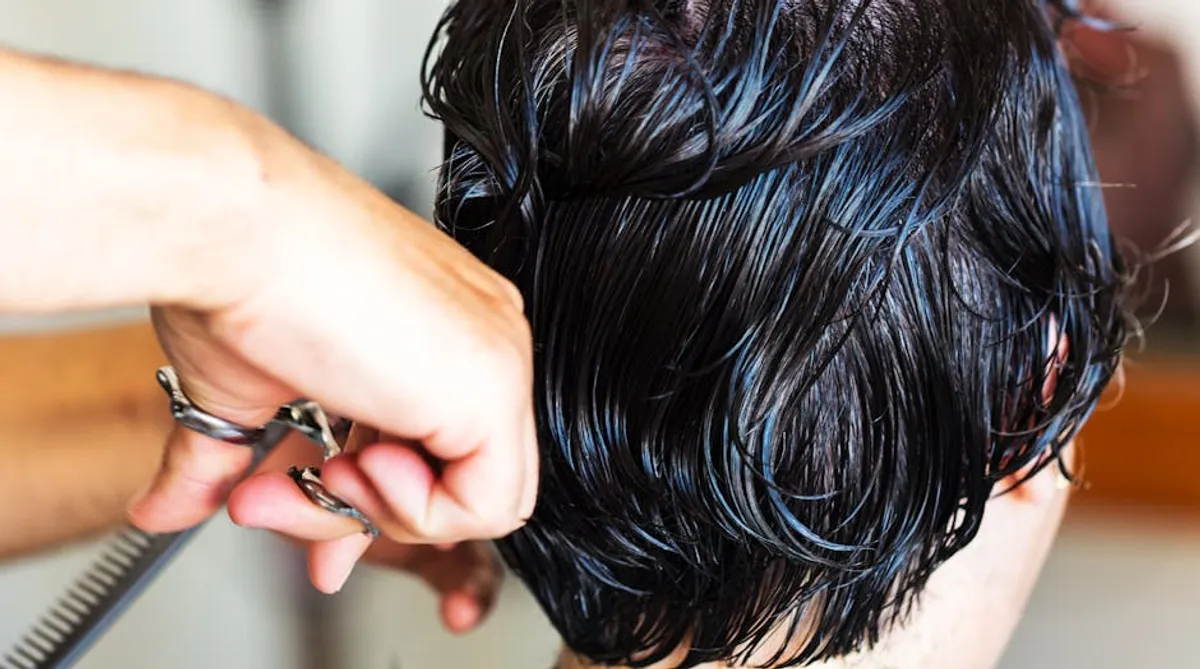
Navigating the options for thick hair requires a precise understanding of how specific cuts manage volume, reduce weight, and enhance natural texture. Thick hair, while often desired for its body and resilience, can present challenges: excessive bulk, prolonged drying times, and a tendency to appear shapeless or heavy without strategic layering or shaping. The right haircut transforms these challenges into advantages, promoting manageability, defining style, and reducing daily styling effort. This analysis focuses on cuts engineered to work with, rather than against, the inherent characteristics of thick hair, providing a framework for selecting styles that deliver both aesthetic appeal and practical benefits.
Key Considerations for Thick Haircuts
When evaluating haircut options for thick hair, several functional aspects dictate a style's success. Prioritize cuts that incorporate techniques to remove internal bulk without sacrificing overall density or strength. Look for layered approaches that create movement and reduce weight, preventing the dreaded "helmet" effect. Consider how the cut will impact drying time and daily styling requirements; some styles inherently demand more upkeep. Finally, assess the cut's ability to complement face shape and personal aesthetic, ensuring the chosen style integrates seamlessly with individual features and lifestyle.
1. The Long Layered Cut
The long layered cut remains a foundational choice for thick hair, primarily due to its effectiveness in distributing weight and creating fluid movement. This style involves cutting hair at varying lengths throughout the head, with the shortest layers typically beginning around the collarbone or chin, gradually lengthening towards the ends. The strategic placement of these layers prevents the hair from appearing overly voluminous or blocky, allowing the natural thickness to contribute to body and bounce rather than unmanageable bulk. It maintains significant length, appealing to those who prefer longer styles but struggle with the weight of thick hair.
Best for: Individuals with very thick or coarse hair seeking to reduce weight and add movement without sacrificing overall length. Suitable for various face shapes, as the layers can be customized to frame the face.
Pros: Effectively reduces bulk and weight, promotes natural hair movement, provides versatility for styling (updos, waves, straight), maintains substantial length, and can soften strong facial features.
Cons: Requires skilled layering to avoid a "shelf" effect, can lose definition without regular trims, and may still require significant drying time depending on hair density.
Verdict: An enduring classic for thick hair, this cut excels at balancing volume with manageability. Its success hinges on precise layering that removes internal bulk while preserving the hair's natural strength and flow.
2. The Shag
The shag cut is characterized by its choppy, multi-layered structure, often featuring shorter layers at the crown that graduate into longer, textured ends. This style is inherently dynamic, designed to create volume at the top while simultaneously reducing bulk through aggressive layering and often includes bangs or face-framing pieces. The shag’s dishevelled, rock-and-roll aesthetic makes it particularly effective for thick hair, as the extensive layering breaks up density and encourages natural waves or curls to form, minimizing the need for heavy styling products.
Best for: Those with thick, wavy, or curly hair seeking a low-maintenance, textured style that embraces natural movement and reduces weight significantly. Ideal for oval, heart, and long face shapes.
Pros: Excellent for reducing bulk and enhancing natural texture, offers a cool, effortless aesthetic, requires minimal styling, and adds volume at the crown where thick hair can sometimes fall flat.
Cons: May not suit those who prefer a sleek, polished look, can appear messy if not cut to complement natural hair patterns, and requires specific layering techniques to avoid an outdated appearance.
Verdict: A powerful option for thick hair that thrives on texture and movement. The shag effectively deconstructs density, providing a stylish, low-effort solution for managing substantial hair.
3. The Graduated Bob
A graduated bob, also known as an A-line bob, features a stacked back that creates volume and tapers down to longer lengths towards the front. This architectural cut is particularly effective for thick hair because the stacking technique at the nape removes significant weight from the back, preventing the bob from looking overly heavy or mushroom-like. The graduation allows for a sleek, defined shape that holds its form well, offering a sophisticated and structured appearance. It's a strategic choice for those who desire a shorter style but need to manage substantial density.
Best for: Individuals with thick, straight to wavy hair who want a structured, shorter style that effectively manages bulk at the nape. Complements round, oval, and square face shapes.
Pros: Provides excellent weight reduction at the back, creates a strong, defined silhouette, offers a polished and sophisticated look, and maintains its shape well with proper cutting.
Cons: Requires precise cutting to achieve the desired graduation, less versatile for updos, and regular trims are essential to maintain the sharp lines and stacked effect.
Verdict: This bob variation is a masterclass in managing thick hair within a shorter length. Its engineered shape effectively controls density, delivering a chic, low-maintenance style that performs exceptionally well.
4. The Pixie Cut (with texture)
While often associated with fine hair, a textured pixie cut can be remarkably effective for thick hair when executed correctly. The key lies in incorporating significant internal layering and texturizing techniques to remove bulk and create movement, preventing the cut from appearing too heavy or round. Instead of a uniform, blunt cut, a textured pixie for thick hair features choppy layers and often an undercut or tapered sides to further reduce density. This approach allows the hair to lie flatter and appear lighter, offering a bold yet manageable short style.
Best for: Those with thick hair seeking a very short, low-maintenance style that makes a strong statement. Particularly suitable for oval, heart, and square face shapes.
Pros: Drastically reduces drying and styling time, provides a bold and modern aesthetic, effectively removes all excess bulk, and can highlight facial features.
Cons: Limited styling versatility, requires frequent trims to maintain shape, and may not suit those who prefer to grow out their hair quickly.
Verdict: A textured pixie for thick hair is a courageous and highly functional choice. It completely redefines manageability for dense hair, offering a stylish solution that requires minimal daily effort.
5. The Undercut
The undercut involves shaving or cutting the hair very short underneath a longer top layer, typically at the nape or around the temples. For thick hair, this technique is a game-changer for weight reduction. By removing a significant amount of hair from the under-sections, the overall volume is dramatically reduced, making the top layers lighter, more manageable, and easier to style. The undercut can be subtle and hidden beneath the longer hair or more pronounced as a visible design element, offering both practical benefits and a customizable aesthetic.
Best for: Individuals with extremely thick hair who struggle with excessive bulk, especially at the nape or sides, and desire a more manageable and cooler feel. Suitable for all hair lengths on top.
Pros: Provides exceptional weight reduction, improves airflow to the scalp, can be hidden or showcased, and makes styling the top layers significantly easier.
Cons: Requires regular maintenance to keep the shaved sections neat, can create a noticeable line of demarcation as it grows out, and may limit certain formal styling options if visible.
Verdict: The undercut is a utilitarian solution for overpowering thick hair. It offers unparalleled bulk removal, providing immediate relief from density and enhancing the wearability of almost any style above it.
6. The A-Line Bob
Distinct from the graduated bob, the A-line bob features a uniform length at the back that gradually gets longer towards the front, creating a distinct "A" shape without the stacked layers at the nape. For thick hair, this cut relies on precise internal texturizing and point cutting to remove bulk from within the shape, preventing it from appearing too heavy or triangular. The longer front pieces can frame the face elegantly, while the overall sleekness of the A-line provides a sophisticated, modern aesthetic that is still manageable for dense hair.
Best for: Those with thick, straight to slightly wavy hair who prefer a sleek, modern, and symmetrical bob that is longer in the front. Works well for oval, round, and square face shapes.
Pros: Creates a sophisticated and sharp silhouette, offers elegant face-framing, manages bulk through internal texturizing, and maintains a clean, contemporary look.
Cons: Less effective at extreme weight reduction compared to a graduated bob, requires skilled internal layering to prevent a bulky appearance, and needs regular trims to maintain its precise lines.
Verdict: The A-line bob offers a stylish, contemporary solution for thick hair, provided the internal weight is meticulously managed. It delivers a polished look that balances density with a sleek form.
7. The Lob (Long Bob)
The lob, or long bob, typically falls between the chin and the collarbone. For thick hair, the lob is an excellent transitional or mid-length option that offers the chicness of a bob with added versatility. The effectiveness for thick hair comes from strategic layering, either subtle internal layers to remove weight or more pronounced face-framing layers to add movement. A blunt lob on thick hair can appear too heavy, so soft layers, point cutting, or even a slight graduation towards the front are often incorporated to prevent excessive bulk and encourage natural flow.
Best for: Individuals with thick hair who desire a versatile, medium-length style that offers manageability without going too short. Suitable for nearly all face shapes.
Pros: Highly versatile for styling (half-up, waves, straight), provides a modern and chic aesthetic, reduces some weight while maintaining a good length, and is generally low maintenance.
Cons: Can still feel heavy if not sufficiently layered or texturized, may require more styling effort than shorter cuts to achieve a polished look, and blunt versions can appear bulky.
Verdict: The lob provides a balanced approach for thick hair, offering a stylish mid-length option that, with careful layering, manages density effectively while retaining significant styling flexibility.
8. Face-Framing Layers
Face-framing layers are specifically designed to highlight facial features and add softness around the face, while also contributing to overall weight reduction for thick hair. These layers typically start around the chin or cheekbones and blend seamlessly into the rest of the hair. For thick hair, face-framing layers can break up the density around the front, preventing a monolithic appearance and adding movement where it's most visible. When combined with longer layers throughout the back, this technique creates a cohesive, flowing style that enhances natural body without overwhelming the face.
Best for: Thick hair of medium to long length, particularly for those who want to soften their features, add dimension around the face, and subtly reduce bulk in the front sections.
Pros: Softens facial features, adds movement and dimension, helps reduce bulk around the face, and integrates well with other layering techniques for a cohesive look.
Cons: May not provide sufficient weight reduction for extremely dense hair if not paired with deeper internal layers, requires regular trims to maintain the shape around the face, and can be challenging to style if hair is very coarse.
Verdict: Face-framing layers are an excellent adjunct for thick hair, providing aesthetic benefits by softening the silhouette and practical benefits by managing frontal density, especially when integrated into a broader layered cut.
9. The Textured Crop
The textured crop is a short, contemporary cut characterized by shorter sides and back, often faded or tapered, with more length and texture on top. For thick hair, this style is highly effective because the faded or tapered sides drastically reduce bulk around the perimeter, while the longer top section allows for styling versatility. The key is to heavily texturize the top layers through point cutting or razor cutting, which breaks up the density and creates a soft, deconstructed finish, preventing the top from appearing too solid or heavy. This cut offers a clean, modern aesthetic with minimal daily effort.
Best for: Individuals with thick hair seeking a masculine or gender-neutral short cut that is modern, low-maintenance, and effectively controls volume on the sides and back.
Pros: Excellent for managing bulk on the sides and back, offers a stylish and contemporary look, allows for significant texture and movement on top, and requires minimal styling time.
Cons: Requires frequent barber visits to maintain the fade/taper, limited styling options beyond the textured top, and may not suit those who prefer longer hair.
Verdict: The textured crop is a highly functional and fashionable choice for thick hair, expertly managing density on the sides while allowing for expressive, textured styling on top. It’s a modern solution for significant bulk.
10. The Tapered Cut
A tapered cut involves gradually reducing the length of the hair from top to bottom, often starting longer at the crown and progressively shortening towards the nape and sides. For thick hair, tapering is a fundamental technique for removing bulk and creating a clean, controlled silhouette. Unlike an undercut, which creates a distinct line, a taper offers a smoother, more blended transition. This technique can be applied to various lengths, from short crops to longer styles, always with the goal of reducing density at the perimeter and allowing the hair to lay flatter and more neatly.
Best for: Thick hair of any length that requires significant weight reduction and a clean, blended finish around the nape and sides. Suitable for those who prefer a neat and controlled look.
Pros: Effectively reduces bulk and creates a clean perimeter, offers a smooth and blended transition, can be customized to various lengths, and provides a polished appearance.
Cons: Requires skilled execution to achieve a seamless blend, needs regular trims to maintain the taper, and may not offer the same level of dramatic weight removal as an undercut.
Verdict: The tapered cut is a versatile and elegant solution for thick hair, offering controlled volume reduction and a refined aesthetic. It’s ideal for those who value precision and a clean finish.
11. V-Cut Layers
The V-cut is a specific layering technique where the ends of the hair are cut into a distinct V-shape at the back, with the shortest layers typically starting higher up and gradually getting longer towards the point of the V. For thick hair, this cut is highly effective in removing weight from the ends, preventing them from appearing blunt or heavy. The V-shape encourages the hair to fall inward, creating a cohesive, flowing silhouette that maintains length while reducing bulk. It's particularly flattering for very long, thick hair that tends to lack movement.
Best for: Long, thick hair that needs significant weight reduction at the ends and wants to achieve a defined shape with enhanced movement. Best for straight or wavy hair.
Pros: Dramatically reduces weight from the ends, creates a beautiful, defined shape at the back, enhances natural movement, and maintains overall length.
Cons: Requires precise cutting to achieve the V-shape, can appear less defined on very curly hair, and may need regular trims to maintain the V-silhouette.
Verdict: The V-cut is a specialized layering technique that expertly manages the bulk of long, thick hair, transforming heavy ends into a dynamic, flowing shape with a distinct aesthetic appeal.
12. The Razor Cut
Razor cutting involves using a sharp razor blade instead of scissors to cut the hair. This technique is particularly beneficial for thick hair because it creates soft, feathered ends and removes significant bulk and weight from the mid-lengths and ends. A skilled razor cut can deconstruct density, add texture, and create movement that is difficult to achieve with traditional shears. It results in a softer, more fluid style that often requires less styling product and effort, as the hair naturally falls into place with enhanced texture.
Best for: Thick hair that benefits from significant texturizing, weight reduction, and a softer, more feathered finish. Works well for wavy and some curly textures, as well as straight hair.
Pros: Excellent for bulk removal and adding texture, creates soft and feathered ends, enhances natural movement and flow, and can reduce styling time.
Cons: Requires a highly skilled stylist to avoid damage or frizz, not suitable for very fine or damaged hair, and can make hair appear thinner if not executed carefully.
Verdict: A razor cut is a powerful tool for transforming thick hair, offering unparalleled weight reduction and texture. Its success lies in the stylist's expertise to deliver a soft, manageable finish without compromising hair health.
Selecting the Optimal Cut for Your Thick Hair
Choosing the right haircut for thick hair extends beyond aesthetics; it involves a practical assessment of your hair's specific density, texture, and your daily styling commitment. Consider the primary challenge you face: is it excessive bulk, difficulty drying, or a lack of movement? Cuts like the undercut or graduated bob excel at aggressive weight reduction, while long layers or the shag prioritize movement and texture. Consult with a stylist experienced in cutting thick hair, as their expertise in internal layering, texturizing, and bulk removal techniques is crucial. They can guide you on how a particular cut will integrate with your natural hair pattern and growth, ensuring the style remains manageable and flattering long-term. Remember that even the best cut requires consistent maintenance, including regular trims, to preserve its shape and functionality.
Frequently Asked Questions
Q: How often should thick hair be trimmed to maintain a specific cut?
A: To maintain the shape and reduce split ends, thick hair generally benefits from trims every 6-8 weeks, especially for structured cuts like bobs or pixies. Layered styles can sometimes go a bit longer, up to 10-12 weeks, depending on how quickly the hair grows and how well the layers hold their definition.
Q: Can thick hair be cut short without looking bulky?
A: Yes, absolutely. Cuts like the textured pixie, graduated bob, or a crop with an undercut are specifically designed to manage the volume of thick hair in shorter lengths. The key is skilled internal layering and texturizing to remove bulk and create movement, preventing the hair from appearing heavy or round.
Q: What styling products are best for thick hair after a new cut?
A: Products that offer control without adding weight are ideal. Look for lightweight mousses or creams for definition, anti-frizz serums to smooth, and texturizing sprays to enhance layers. Avoid heavy oils or waxes that can weigh thick hair down and make it appear greasy.
Q: Will layering make my thick hair look thinner?
A: Strategic layering should reduce bulk and create movement without making your hair appear thin. The goal is to remove internal weight, not overall density. Poorly executed layers, however, can sometimes create a 'shelving' effect or remove too much hair, leading to a thinner appearance. This underscores the importance of a skilled stylist.
Q: Are bangs a good idea for thick hair?
A: Yes, bangs can work very well with thick hair, provided they are cut with appropriate texturizing. Heavy, blunt bangs on thick hair can be overpowering, but feathered, wispy, or curtain bangs can help frame the face, reduce frontal bulk, and add a stylish element without adding excessive weight.