Navigating the landscape of haircut trends for 2026 requires understanding both aesthetic shifts and practical considerations. The coming year emphasizes individuality, sustainability through lower-maintenance styles, and a sophisticated blend of classic shapes with modern textures. Choosing a haircut isn't merely about current popularity; it's about identifying a style that complements your personal aesthetic, hair type, and daily routine. This guide dissects the prominent trends for men and women, offering specific insights into their characteristics, suitability, and the commitment they demand. The objective is to equip you with the knowledge to select a haircut that not only looks contemporary but also integrates seamlessly into your life, enhancing your presentation with deliberate intent rather than fleeting fashion. Consider this an informed perspective on how to approach your next significant style decision.
How to Choose Your 2026 Haircut Trend
Selecting a haircut for 2026 involves more than simply pointing to a picture. A successful style choice aligns with several key personal and practical factors. First, understand your hair type: fine, thick, straight, wavy, curly, or coily. Certain cuts rely on specific textures to achieve their intended shape and volume. Second, consider your face shape—oval, round, square, heart, or long—as different cuts can enhance or soften features. A skilled stylist can recommend adaptations. Third, evaluate your lifestyle and maintenance commitment. Do you prefer a wash-and-go style, or are you willing to invest time in daily styling products and heat tools? Fourth, reflect on your personal style and professional environment. A bold, avant-garde cut might suit a creative field but could be less practical in a conservative corporate setting. Finally, engage in a thorough consultation with your stylist. Bring reference images, but remain open to their professional assessment of how a trend can be tailored to your unique attributes. This collaborative approach ensures the final result is both fashionable and genuinely flattering. Ultimately, success hinges on communicating your desired style effectively to your stylist for the best results.
1. The Modern Shag
The Modern Shag re-emerges in 2026 as a versatile, texture-driven cut characterized by choppy layers, often shorter at the crown and progressively longer towards the ends. It's defined by its volume and movement, typically incorporating a fringe or face-framing layers. This iteration is less about a retro revival and more about a softened, contemporary edge, allowing for natural texture to shine. It works across various hair lengths, from shoulder-grazing to longer, providing an effortless, lived-in aesthetic.
Best For: Individuals with wavy or curly hair seeking volume and movement; those preferring a low-maintenance, undone look; adaptable for both men and women.
Pros: Enhances natural texture; creates significant volume without heavy styling; versatile for different lengths; grows out gracefully.
Cons: Requires regular trims to maintain shape, especially with a fringe; may not suit very fine, straight hair without significant styling effort; can appear messy if not cut precisely.
Verdict: A dynamic choice for those prioritizing texture and movement, offering a balance between polished and effortlessly cool, provided the hair type supports its layered structure.
2. The Textured Bob
The Textured Bob for 2026 moves away from blunt precision, embracing soft, internal layers that create movement and reduce bulk. This chin-to-shoulder length cut often features subtle graduation at the back and a slightly deconstructed perimeter. It’s about creating a soft, airy feel rather than a rigid line, allowing for natural waves or a slightly disheveled finish. It offers a sophisticated yet approachable aesthetic.
Best For: Women with fine to medium hair seeking volume and body; those desiring a chic, professional look with modern softness; suitable for various face shapes.
Pros: Adds volume and texture to fine hair; generally easy to style; projects a polished yet contemporary image; works well with subtle highlights.
Cons: Requires frequent trims (every 6-8 weeks) to maintain optimal length and shape; can look flat on very thick hair if not properly thinned; may require some heat styling for desired texture.
Verdict: A refined and adaptable option for those seeking a stylish, manageable short-to-medium length that balances classic appeal with modern textural elements.
3. The Soft Mullet / Wolf Cut
The Soft Mullet, often referred to as the Wolf Cut, continues its evolution into 2026, characterized by its distinct layering: shorter, voluminous layers around the crown and face, transitioning into longer, tapered lengths at the back. Unlike its 80s predecessor, this version is softer, more blended, and less overtly dramatic, focusing on creating a shaggy, rock-and-roll texture. It often includes a wispy fringe or curtain bangs.
Best For: Individuals with medium to thick hair, especially wavy or curly textures; those embracing an edgy, rebellious yet refined aesthetic; popular for both men and women.
Pros: Creates significant volume and texture; allows for creative styling; minimizes daily effort for naturally textured hair; makes a strong style statement.
Cons: Requires a specific hair type to achieve the desired shape without excessive styling; can appear unkempt if not cut with precision; may not suit conservative professional environments.
Verdict: A bold, fashion-forward choice for those willing to commit to its distinct silhouette, offering a blend of playful volume and effortless cool, particularly effective on textured hair.
4. Sleek & Polished Long Hair
2026 sees a resurgence of sleek, highly polished long hair, often extending past the shoulders with minimal layering. This trend emphasizes healthy, glossy strands and precise, sharp lines. It's about a sophisticated, understated elegance, often styled poker-straight or with subtle, uniform waves. The focus is on hair health, shine, and a luxurious feel, achieved through meticulous care and styling.
Best For: Individuals with naturally straight or slightly wavy hair; those committed to hair care routines; suitable for both men and women seeking a refined, sophisticated aesthetic.
Pros: Projects an image of elegance and professionalism; highlights hair health and shine; versatile for various updo styles; generally low-maintenance in terms of cut, high in terms of care.
Cons: Requires significant commitment to hair health products (serums, heat protectants); daily heat styling often necessary for optimal sleekness; can lack volume on very fine hair; growth can be a long process.
Verdict: A timeless choice for those who prioritize hair health and a polished appearance, demanding consistent care to maintain its lustrous, sophisticated appeal.
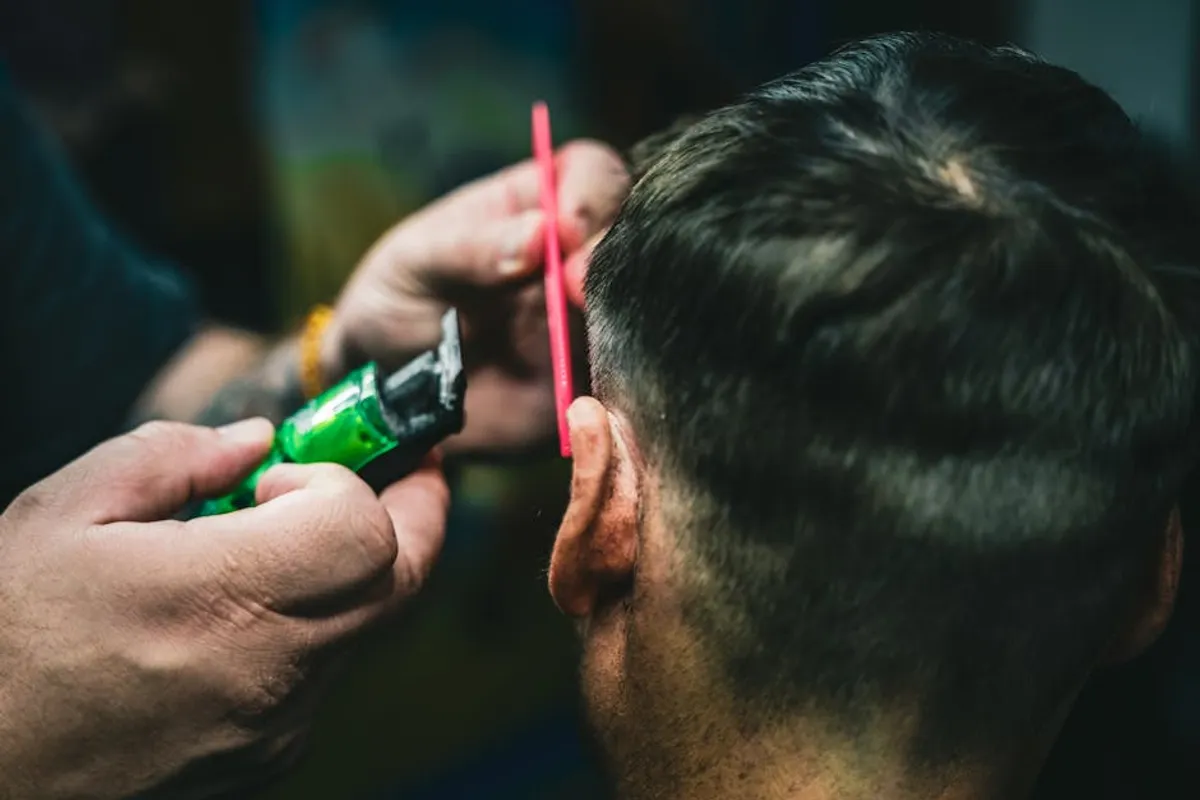
5. Buzz Cut Variations
The Buzz Cut in 2026 transcends its military origins, appearing in diverse variations that emphasize precision fading, subtle texturing on top, and often incorporating intricate line work or designs. It’s a statement of minimalist confidence, where the focus shifts to head shape, facial features, and the skill of the barber. Lengths can vary slightly on top, from a uniform close crop to a slightly longer textured surface.
Best For: Men and women seeking a bold, low-maintenance style; individuals with strong facial features; those in warmer climates; suitable for professional or casual settings depending on styling.
Pros: Extremely low maintenance; highlights facial structure; offers a clean, sharp aesthetic; versatile with different fade styles and designs.
Cons: Requires frequent trims (every 2-4 weeks) to maintain sharpness; offers limited styling versatility; exposes scalp and head shape; not suitable for individuals sensitive to cold.
Verdict: A powerful, practical choice for those embracing minimalism and precision, demanding regular upkeep to preserve its defined, crisp appearance.
6. Long Layers with Face-Framing
This trend for 2026 focuses on creating soft, seamless layers throughout longer hair, specifically designed to frame the face. The layers are typically cut to enhance natural movement and volume without sacrificing length. Think subtle, cascading layers that begin around the jawline or collarbone, blending effortlessly into the rest of the hair. This style often pairs well with curtain bangs or a longer, swept-aside fringe.
Best For: Women with long hair seeking volume, movement, and a softer outline; adaptable for various hair types, particularly effective on wavy or slightly curly hair.
Pros: Adds dimension and body to long hair; softens facial features; maintains length; provides versatility for updos and styling; grows out well.
Cons: Requires regular trims to keep layers fresh; can make very fine hair appear thinner if layers are too aggressive; may require some styling to activate movement.
Verdict: A universally flattering and enduring choice for long hair, offering a gentle way to introduce shape and movement while preserving overall length and versatility.
7. The French Crop with Texture
The French Crop in 2026 is characterized by short back and sides, often with a subtle fade, combined with a slightly longer top section styled forward. The key differentiator for the modern iteration is the emphasis on texture within the top section, often achieved through point cutting or razor work. This creates a disheveled yet intentional look, allowing the fringe to sit naturally or be styled slightly messy.
Best For: Men seeking a sharp, contemporary, and relatively low-maintenance style; suitable for most hair types, especially effective on straight or slightly wavy hair.
Pros: Projects a clean, modern aesthetic; easy to style with minimal product; versatile for both casual and professional settings; excellent for showcasing strong jawlines.
Cons: Requires frequent barber visits (every 3-5 weeks) to maintain the fade and crisp lines; can appear too severe on some face shapes; limited styling variations.
Verdict: A consistently popular and stylish choice for men, offering a blend of sharp precision and contemporary texture, ideal for those who value neatness with a modern edge.
8. Curly Fringe
The Curly Fringe makes a strong statement in 2026, embracing natural curls and coils by cutting the front section to fall across the forehead. This trend celebrates natural texture, allowing the fringe to be voluminous, soft, and often slightly irregular. It can be paired with various lengths and styles, from short bobs to long layered cuts, adding a playful and expressive element to the overall look.
Best For: Individuals with naturally curly or coily hair; those looking to highlight their texture and soften their face; suitable for both men and women.
Pros: Celebrates and enhances natural curl patterns; adds a youthful, playful dimension; softens facial features; can reduce the appearance of a high forehead.
Cons: Requires specific cutting techniques to avoid a triangular shape; can be challenging to manage in high humidity; may require specific curl-enhancing products; growth can be awkward.
Verdict: A bold and beautiful choice for those with natural curls, offering a distinctive way to frame the face and showcase texture, provided the right cutting and care approach is taken.
9. The "Bixie" (Bob + Pixie)
The "Bixie" is a hybrid cut gaining traction in 2026, blending the length and versatility of a bob with the lightness and edge of a pixie. It’s characterized by a shorter back and sides, often tapered, while retaining more length around the face and crown, allowing for soft layers and movement. This cut offers the best of both worlds: a short, chic profile with enough length to style and frame the face.
Best For: Women seeking a modern, low-maintenance short style; individuals transitioning from a bob to a pixie or vice versa; effective on fine to medium hair.
Pros: Offers a fresh, contemporary look; provides volume and shape; versatile for styling (can be sleek or textured); generally easy to manage daily.
Cons: Requires regular trims (every 4-6 weeks) to maintain its hybrid shape; may not suit very thick or unruly hair without significant thinning; limited versatility for updos.
Verdict: A sophisticated and practical option for those desiring a short yet feminine cut, offering a balance of ease and style with its unique blended silhouette.
10. Tapered Fade with Volume
The Tapered Fade remains a staple for men in 2026, but the emphasis shifts towards increased volume and texture on top. The fade itself is often a mid or low taper, providing a clean transition from short sides to a significantly longer top section. This top section is styled with products to maximize height and texture, often swept back, to the side, or as a textured quiff, creating a striking contrast with the neat sides.
Best For: Men seeking a sharp, modern, and versatile style; suitable for most hair types, particularly effective on medium to thick hair that can hold volume.
Pros: Highly customizable fade levels; offers significant styling versatility on top; projects a confident, well-groomed image; suitable for both casual and formal settings.
Cons: Requires consistent barber visits (every 2-4 weeks) to maintain the fade's precision; daily styling with product is necessary for optimal volume and hold; can require specific styling tools.
Verdict: A perennially popular and adaptable choice for men, offering a dynamic contrast between sharp sides and voluminous texture, demanding regular maintenance for its crisp appearance.
11. Natural Texture Enhancement
This 2026 trend isn't a specific cut but an overarching approach: focusing on cuts and styling techniques that enhance and celebrate natural hair texture, whether it's waves, curls, or coils. This involves specialized cutting methods like dry cutting for curls, minimal layering to maintain density, and the use of products that define rather than suppress texture. The goal is healthy, bouncy, and defined natural hair.
Best For: Individuals with any natural hair texture (wavy, curly, coily); those seeking to minimize heat styling and embrace their hair's inherent characteristics; suitable for all genders.
Pros: Promotes hair health by reducing heat and chemical processing; minimizes daily styling effort; celebrates individuality and natural beauty; versatile across various lengths.
Cons: Requires specific product knowledge for optimal results; can be challenging to find stylists experienced in cutting specific natural textures; humidity can impact styling.
Verdict: A powerful and inclusive trend that prioritizes hair health and authenticity, encouraging individuals to work with, rather than against, their natural texture for a truly personalized look.
12. The "Butterfly Cut"
The "Butterfly Cut" for 2026 is a highly layered, voluminous style designed to create the illusion of shorter hair around the face while maintaining significant length at the back. It features distinct, face-framing layers that are cut to fall like wings, along with longer layers throughout the rest of the hair. This cut provides immense body and movement, often paired with curtain bangs, offering a soft yet dramatic silhouette.
Best For: Women with medium to long hair seeking significant volume and movement without sacrificing overall length; effective on straight, wavy, or slightly curly hair.
Pros: Creates impressive volume and bounce; offers the appearance of short hair when styled up, long hair when down; highly flattering for many face shapes; versatile for styling.
Cons: Requires skill to cut correctly to achieve the "butterfly" effect; can look flat on very fine hair without significant styling; needs regular trims to maintain distinct layers.
Verdict: A glamorous and dynamic choice for those desiring voluminous, layered hair that offers both length and the illusion of a shorter style, demanding precise cutting and some styling effort.
Choosing the Right Stylist and Maintaining Your Look
Selecting a haircut trend is only the first step; the execution and subsequent maintenance are equally critical. When choosing a stylist, prioritize those with demonstrable experience in the specific trend you're considering. Review their portfolio, pay attention to their social media presence for examples of their work, and read client testimonials that speak to their skill in cutting and styling. A thorough consultation is non-negotiable. During this discussion, articulate your desires clearly, but also listen to their professional assessment regarding your hair type, texture, and face shape. A good stylist will offer honest feedback and suggest adaptations to ensure the trend suits you. Maintenance is equally important. Understand the required product regimen, whether it involves specific shampoos, conditioners, styling creams, or heat protectants. Inquire about recommended styling tools and techniques. Crucially, establish a realistic trimming schedule. Short, precise cuts may require visits every 3-5 weeks, while longer, layered styles might tolerate 8-10 weeks. Adhering to this schedule is vital for preserving the shape and health of your chosen trend. Your haircut is an investment in your personal presentation, and consistent care ensures its longevity and impact.
Frequently Asked Questions About 2026 Haircut Trends
How often should I get a trim to maintain a trend?
The frequency of trims depends heavily on the specific trend and your hair's growth rate. Precise, shorter cuts like the French Crop or Bixie often require maintenance every 3-5 weeks to preserve their sharp lines and shape. Longer, layered styles such as the Modern Shag or Butterfly Cut can typically go 6-10 weeks between trims, focusing on keeping layers fresh and ends healthy. Your stylist can provide a personalized recommendation based on your chosen look.
Can I adapt a trend to my hair type?
Yes, most trends can be adapted to suit different hair types, though some may require more modification than others. For instance, a Textured Bob can be tailored for fine hair by adding internal layers for volume, or for thick hair by removing bulk. The key is to communicate openly with your stylist about your hair's natural texture, density, and growth patterns. They can advise on how to achieve the essence of a trend while ensuring it works optimally with your unique hair.
What should I bring to my salon consultation?
To ensure a productive consultation, bring several reference photos of the haircut trends you are considering. These images help convey your aesthetic preferences more effectively than verbal descriptions alone. Also, be prepared to discuss your daily styling routine, how much time you dedicate to your hair, and any concerns you have about your hair's health or manageability. This comprehensive approach allows your stylist to provide the most accurate and personalized advice.
How do I know if a trend will suit my face shape?
Understanding your face shape (oval, round, square, heart, long) is crucial for selecting a flattering trend. Certain cuts can enhance or soften specific features. For example, face-framing layers can soften a square jawline, while a voluminous top can balance a longer face. A professional stylist is trained to assess face shape and recommend how a trend can be adapted to best complement your features. Don't hesitate to ask for their expert opinion during your consultation.
Are these trends suitable for all ages?
Yes, haircut trends are generally adaptable across different age groups. The suitability of a trend often comes down to how it's customized rather than the trend itself. For example, a Modern Shag can be styled with more refined layers for a mature individual or with a bolder edge for a younger person. The focus should always be on selecting a style that makes you feel confident and comfortable, aligning with your personal aesthetic and lifestyle, regardless of age.